 Get in touch
 English
  English
 中文简体
中文简体 русский
 Español
 عربى
عربى Français
 Português
 Deutsch
 বাংলা
বাংলা 日本語
日本語 Polskie
 italiano
 Türk
Türk 한국어
한국어 ไทย
ไทย
You’ve stood on a quality artificial lawn and felt how solid and springy it is. That feel comes from more than the grass yarn — it comes from artificial grass infill. Infill is the granular material packed between the turf blades, and it is one of the most important parts of a synthetic turf system. If you are planning a new lawn, a playground, or a football pitch, choosing the right infill will affect comfort, durability, drainage, and even how hot the surface gets.
The short answer is that infill is necessary for most synthetic grass installations. It acts as ballast, supports the blades, and keeps the entire system stable. Without it, your turf will flatten, crease, and wear out much faster.
Content
What Is Artificial Grass Infill?
Infill is a layer of fine aggregate or granules that installers brush into the turf pile after the grass is laid. It settles at the base of the blades and performs several structural jobs at once.
- Weighs down the turf so it stays flat and does not shift.
- Keeps the blades standing upright, which gives a natural look and feel.
- Improves drainage by creating void spaces that allow water to pass through quickly.
- Protects the backing from UV exposure and mechanical wear.
- Adds cushioning for foot traffic, pets, and sports activities.
Infill is not a single product. The best choice depends on where the grass is installed and how it will be used.
Why Infill Is Essential for Synthetic Turf
Infill directly controls the long-term performance of an artificial lawn. The right infill prevents wrinkles and seam separation, which are common failures in poorly installed turf.
When a blade of synthetic grass has no infill around it, it cannot remain vertical. With only its own resilience, it bends and mats down, exposing the black backing. Infill provides the lateral support that every blade needs. It also gives the surface weight, which is critical on windy sites or when heavy furniture and foot traffic are present.
Another overlooked role is temperature behavior. Lighter materials such as silica sand absorb less heat than dark rubber granules. If you live in a hot climate, this small choice can make a big difference in barefoot comfort.
Main Types of Infill Materials
There are five common infill categories, each with a different balance of cost, performance, and environmental impact.
Silica Sand
Silica sand is the most widely used infill because it is affordable and easy to install. It provides excellent stability and drainage, but it offers almost no shock absorption.
Rubber Crumb
Rubber crumb comes from recycled tires and is popular for sports fields and playgrounds. It gives good cushioning and resilience, but it absorbs heat and may have a noticeable smell in the first few weeks.
Organic Infill
Organic options like coconut coir, cork, and wood fibre are rising in popularity. They are renewable, low-dust, and typically cooler than rubber. The trade-off is that they break down over time and need periodic top-ups.
Zeolite
Zeolite is a volcanic mineral with high porosity. It handles drainage extremely well and helps neutralise pet odours. Zeolite is more expensive than sand but can be a great choice for pet areas.
Coated and Synthetic Infill
These engineered granules combine silica or organic cores with a polymer coating. They provide a stable, dust-free, and often cooler surface, and they are commonly used in premium sports and landscape installations.
| Material | Cost | Cushioning | Drainage | Best For | Watch Out |
|---|---|---|---|---|---|
| Silica Sand | Low | Low | Good | Residential lawns, budget projects | Compacts over time, no shock absorption |
| Rubber Crumb | Medium | High | Moderate | Sports fields, playgrounds | Absorbs heat, possible odour and dust |
| Organic Infill | Medium | Medium | Good | Pet areas, eco-friendly projects | Breaks down, needs topping up |
| Zeolite | Medium-High | Low | Excellent | Pet zones, odour control | Higher cost |
| Coated / Synthetic | High | High | Good | High-performance sports installations | Premium price |
How to Choose the Right Infill for Your Project
Start with the intended use. For a residential garden, the priority is usually a soft, natural-looking surface that drains quickly. For a football pitch, the priority is shock absorption and consistent ball response.
For most home lawns, a standard silica sand infill works well and keeps costs down. If you have children who play on the grass often, a mix of sand and rubber can add safety without too much heat. Canyoo’s residential artificial turf products are designed to pair with this type of standard infill system.
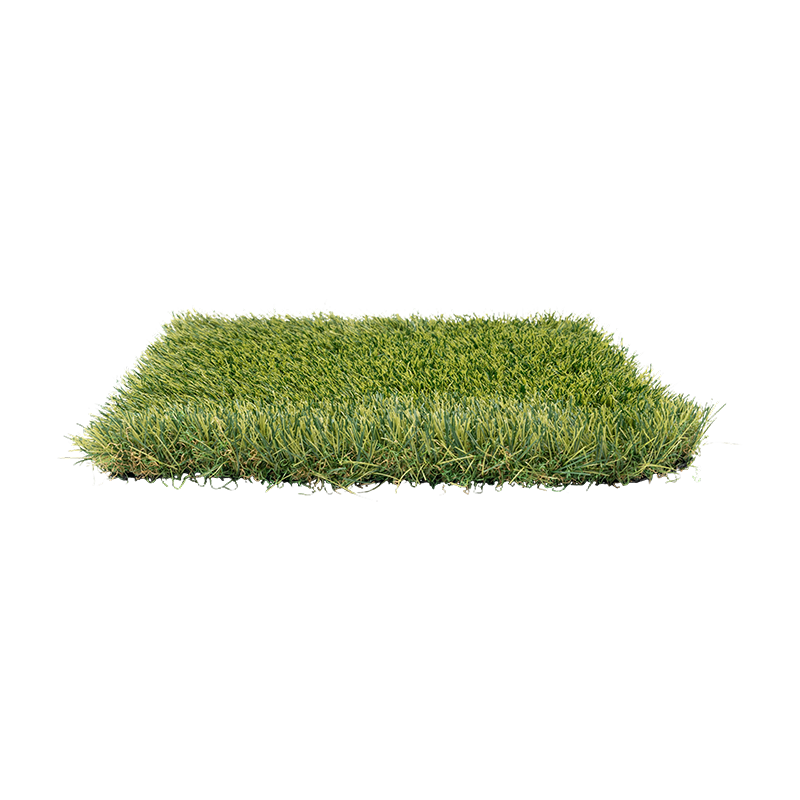
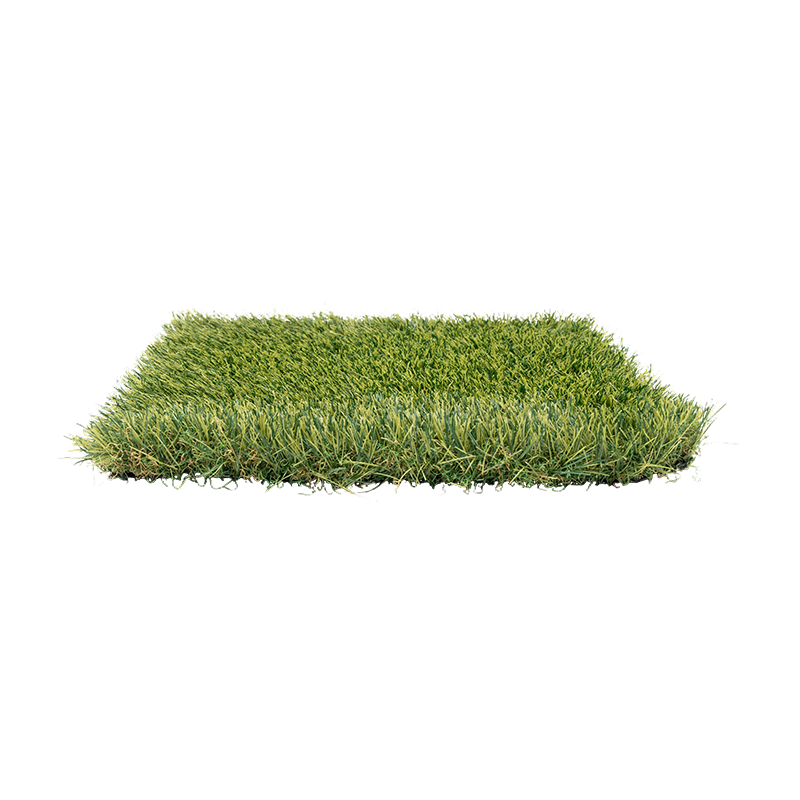
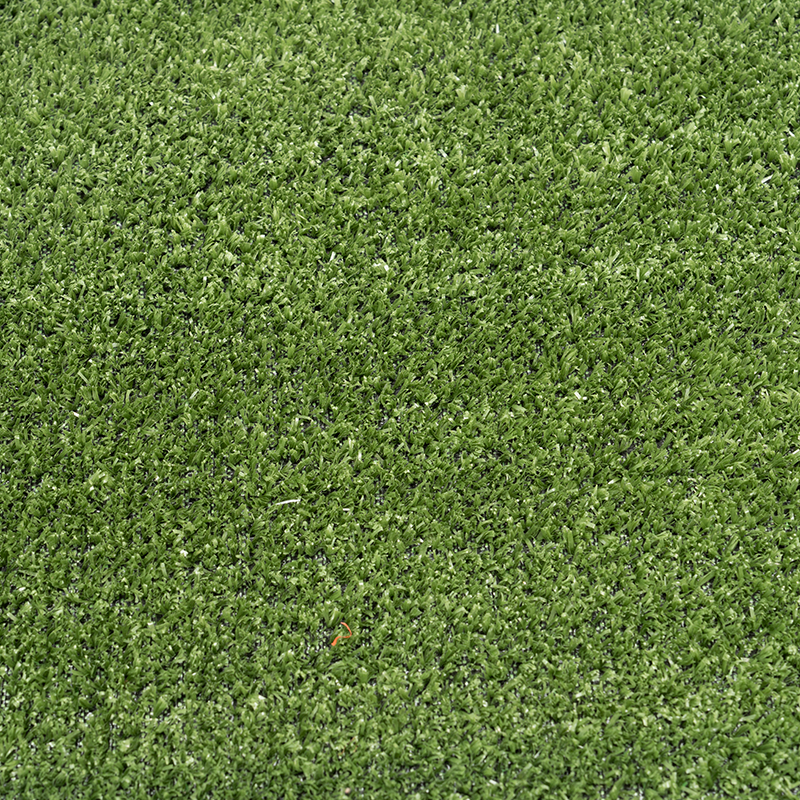 Residential Artificial Turf for Home LawnsThis high-density residential turf pairs well with standard sand infill, offering a realistic look and comfortable feel for frequent family use. Its fine fibers and composite backing provide durability and easy maintenance for everyday home lawns.View Product →
Pet owners should look for an infill that is low-dust and easy to rinse. Organic blends and zeolite both help control odour, and they stay cooler in hot weather. Always choose a turf with good drainage holes and a permeable backing when pets are part of the equation.
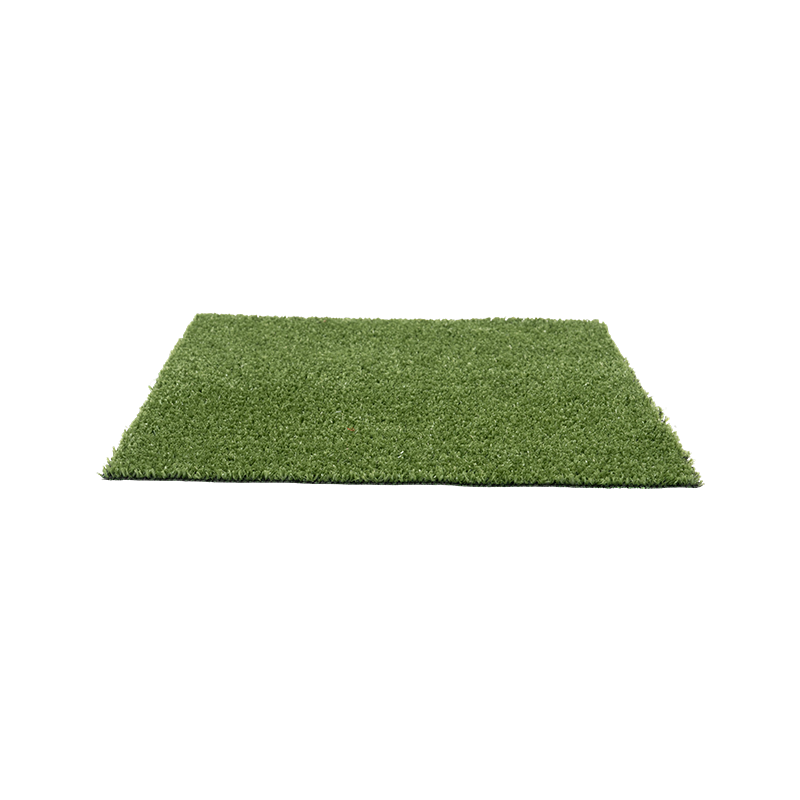
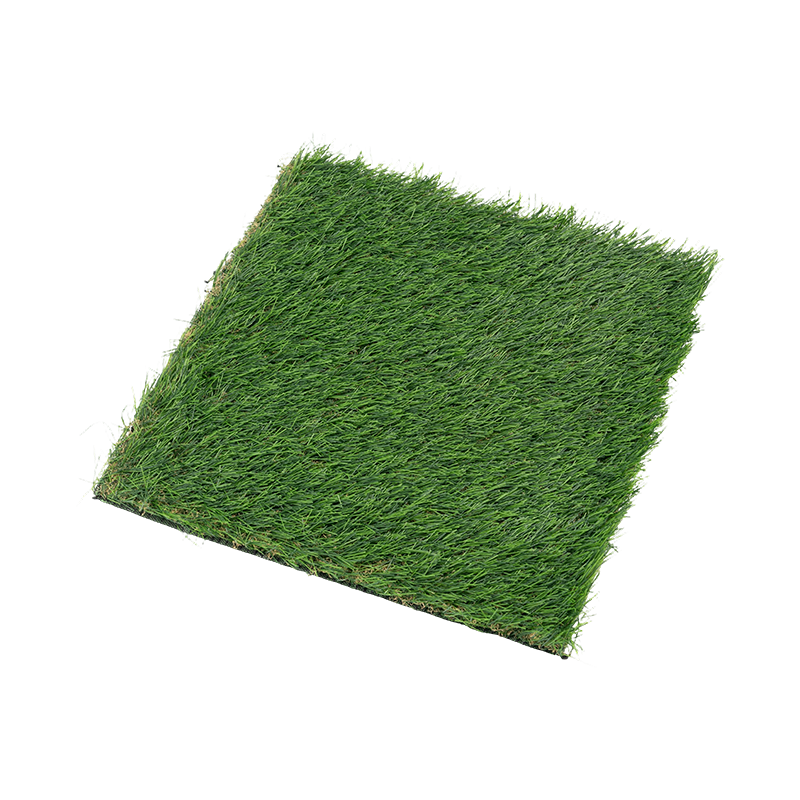 Durable and Drainable Artificial Turf for PetsDesigned for pet areas, this turf uses a PP+PE blend for scratch resistance and paw comfort. Its permeable backing and drainage structure help control odours and keep the surface dry, matching the low-dust rinse-friendly infill advice.View Product →
Sports pitches demand a more engineered approach. The infill layer must support fast drainage, maintain consistent traction, and protect athletes from impact. Professional turf manufacturers often recommend a specific sand-rubber mix for football or rugby. Canyoo’s sports turf range includes pile heights and backing layers that are matched to these infill designs.
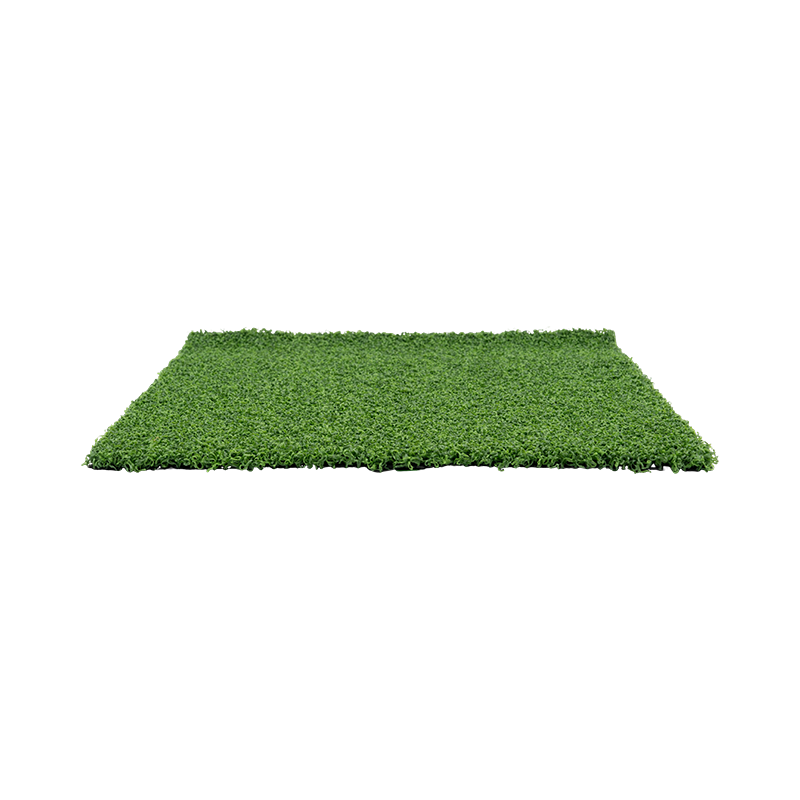
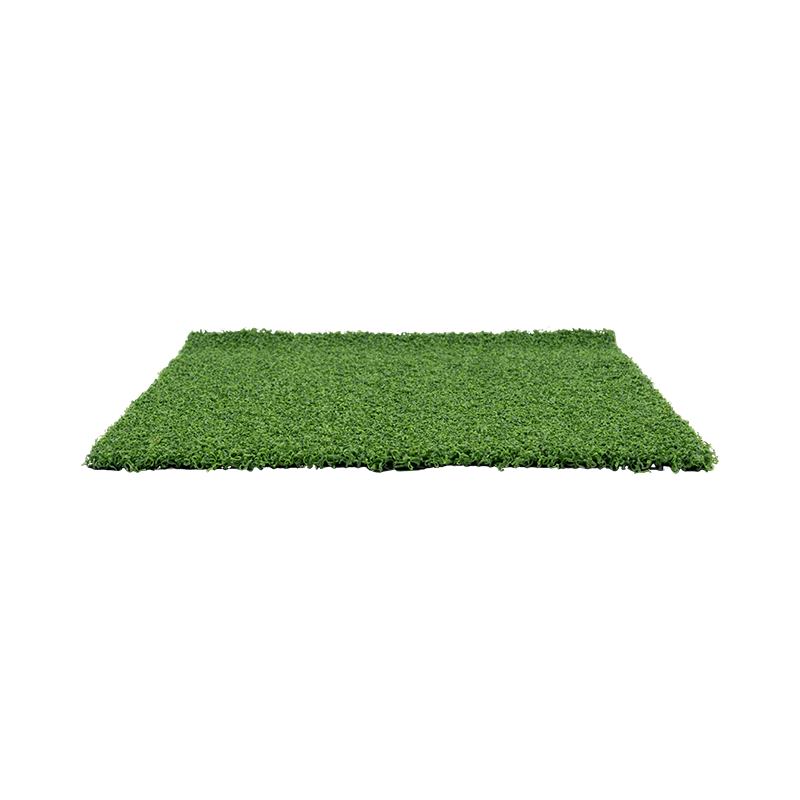
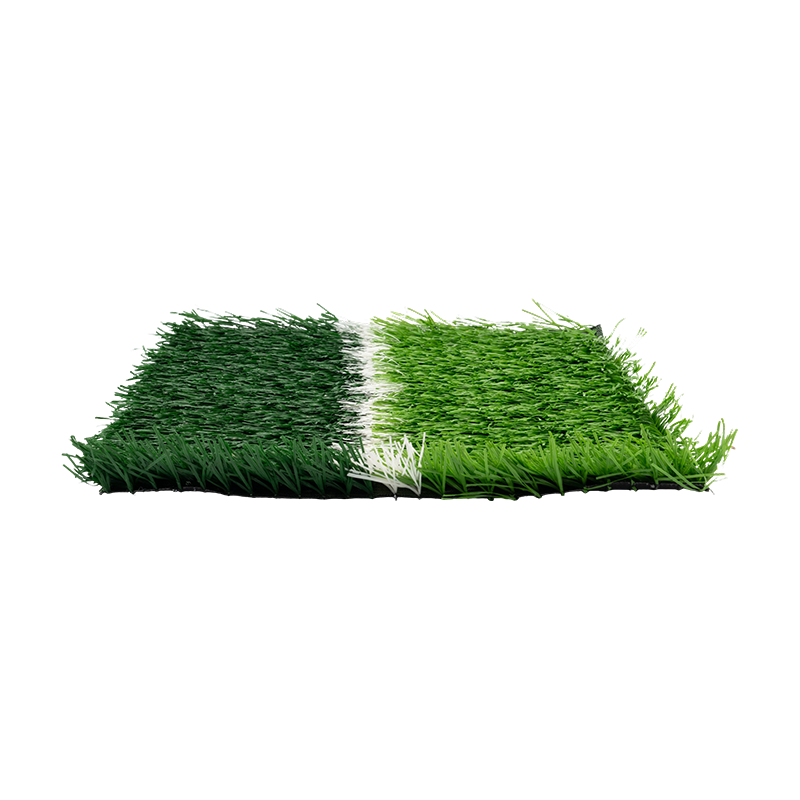 Unfilled Artificial Turf for Football PitchesThis football turf features a short monofilament PP structure with no infill, delivering fast drainage and a natural ball roll. It suits sports pitches needing consistent traction and impact protection, as highlighted in the surrounding guidance.View Product →
Think about climate as well. In hot regions, avoid heavy dark rubber and choose sand, organic, or coated infill. In wet regions, make sure the infill is coarse enough to keep water moving through the turf. And if you are unsure, a professional installer can provide guidance based on actual site conditions.
How Much Infill Do You Need?
There is no single universal amount, but you can estimate from the pile height and density of the turf. Most landscape turfs require about 1 to 2 kg of infill per square metre. High-traffic sports turfs can need 3 to 6 kg per square metre, especially with a layered sand and rubber system.
The goal is to fill roughly the lower one-third of the grass blades. If you add too much infill, the grass becomes stiff and unnatural. If you add too little, the blades will fold over and show signs of damage.
Here are the most common signs that your turf does not have enough infill:
- Grass blades lie flat and do not spring back when brushed.
- Wrinkles, ripples, or seams become visible.
- Puddles form on the surface after light rain.
- The backing material is visible between the blades.
- The edges of the lawn lift up or curl.
If you notice these issues, a simple infill top-up may solve them. Add the same type of infill in thin layers, then brush it in until it reaches the correct depth.
Installation and Maintenance Tips
Proper installation is just as important as choosing the right material. Infill should be spread evenly across the turf, then brushed in with a mechanical broom or a drag brush. For sports fields, professional installers often use a drop spreader and a groomer to create a consistent level.
Maintenance is simple but needs to be regular. Here is what we recommend:
- Brush the turf every 1 to 2 weeks to keep the blades upright and redistribute the infill.
- For pet areas, rinse the surface with plain water every week to prevent odours.
- Check the infill level every six months, especially in high-traffic zones.
- Add a small top-up when you see low spots or exposed backing.
- For sports fields, schedule a monthly grooming session to maintain consistent playability.
Regular brushing also helps keep the drainage system clear. Leaves, dust, and organic debris can clog spaces between granules over time, but a good rake or brush will keep the surface open.
Frequently Asked Questions
Can all types of artificial grass use the same infill?
No. Landscape turf with low pile height needs a lighter material, while sports turf with taller pile and higher density usually requires a heavier, more shock-absorbing system. Always check the manufacturer’s recommendation for your specific turf product.
How often does artificial grass infill need to be replaced?
Most infill lasts several years, but it slowly migrates and compacts. A small top-up every 12 to 24 months is more common than a full replacement. Sports pitches may need professional infill maintenance every few years to restore performance.
Can I mix different types of infill?
Yes, mixing is common. A typical sports installation uses silica sand as the base layer and rubber crumb on top for cushioning. For residential lawns, some owners mix sand with organic granules to get better moisture control. Just make sure the materials are compatible and dry before use.
Is infill safe for children and pets?
High-quality, non-toxic infill materials are safe for both. Avoid infill made from unknown sources or recycled materials with visible dust. Look for products that are labelled low-dust or have been tested for heavy metals. Organic and zeolite infill are generally the safest choices for pet areas.
Does infill make artificial grass hotter?
Dark rubber infill absorbs more heat and can make the surface significantly hotter in summer. Silica sand, coated granules, and organic materials stay cooler. If you live in a hot climate, choose a light-coloured infill and consider a cooling hydrogel coating on the turf itself.
Artificial grass infill is not an afterthought—it is the silent partner that keeps synthetic turf flat, comfortable, and long-lasting. Whether you are building a family lawn, a pet playground, or a professional sports pitch, matching the infill to the turf and to your local conditions will save you money and disappointment later.
If you need a layout with unusual shapes, drainage constraints, or performance targets, many suppliers offer custom design and installation support. For example, a tailored plan can incorporate the correct infill depth and drainage layers from the beginning. To see how different projects come together, you can review a custom turf project outline and compare it with your own site. And for a broader perspective on sustainability, this look at artificial turf’s role in modern landscaping explains why infill choices and drainage design are so important for long-term environmental performance.

 +86-19742095266
  zoe_canyoograss@163.com
  No.18 Baqiao, Xinji Yizheng, Yangzhou, Jiangsu. P.R. China