 Get in touch
 English
  English
 中文简体
中文简体 русский
 Español
 عربى
عربى Français
 Português
 Deutsch
 বাংলা
বাংলা 日本語
日本語 Polskie
 italiano
 Türk
Türk 한국어
한국어 ไทย
ไทย
Artificial grass is good for dogs — provided you choose a pet-grade product with the right drainage, fiber, and infill. Pet-grade artificial grass is a synthetic turf system engineered for animal traffic: non-toxic polyethylene fibers tufted into a permeable backing, laid over a compacted crushed-stone base, and finished with a pet-safe infill that keeps fibers upright without trapping moisture. Specified this way, a synthetic lawn eliminates mud, chemical exposure, and urine burn while holding up to daily running and digging.
Content
- 1 Why Artificial Grass Works Well for Dogs
- 2 The Downsides You Should Weigh Before Buying
- 3 What to Look for in a Dog-Safe Artificial Grass
- 4 Natural Grass vs. Pet-Grade Artificial Grass
- 5 Installation and Cost: What Changes the Outcome
- 6 How to Maintain Artificial Grass With Dogs
- 7 Frequently Asked Questions
Why Artificial Grass Works Well for Dogs
Pet-grade artificial grass outperforms natural turf in nearly every scenario that matters to dog owners. The advantages are concrete rather than cosmetic.
- No more mud. Natural lawns turn into mud pits in wet weather. Synthetic grass drains in minutes and stays firm, so paws track far less dirt into the house.
- No chemical exposure. Lush natural lawns usually rely on fertilizers, herbicides, and pesticides. Artificial grass removes those chemicals from your dog's environment entirely.
- No urine burn. Dog urine kills patches of real grass. Polyethylene fibers are non-porous and cannot be burned by urine, so the lawn stays uniform.
- High-traffic durability. Constant running and digging wear bare paths into natural turf. A dense synthetic lawn is engineered to keep its pile height under the same load.
- Year-round usability. Synthetic grass dries quickly after rain and does not become slippery, so dogs get more safe outdoor time in all seasons.
The Downsides You Should Weigh Before Buying
Artificial grass is not a zero-maintenance miracle, and three issues account for most negative reviews from dog owners: heat, urine odor, and quality variability. Each is manageable, but only with the right specifications.
- Heat retention. Dark fibers and dense infill absorb solar radiation. On a 30°C day, surface temperatures can reach 50–70°C, which is uncomfortable or painful for paws. Lighter turf colors, shaded zones, and hosing the lawn down before play all reduce the risk.
- Urine odor. When drainage is slow, urine accumulates in the base and decomposes into ammonia. The fix is specification, not chemistry: choose turf with a permeable backing and a drainage rate of at least 30 liters per minute per square meter, then rinse high-traffic areas.
- Quality variability. Economy turf often uses polypropylene fiber, which is stiffer and less resilient under dogs. Recycled crumb rubber infill, common a decade ago, has been replaced in pet products by coated silica sand and organic infill for good reason.
The common thread is that every real downside can be traced to a specification shortfall, not to artificial grass itself.
What to Look for in a Dog-Safe Artificial Grass
Four measurable specifications decide whether a particular turf is genuinely good for dogs: drainage rate, pile height, pile density, and infill type. Ask your supplier for a technical data sheet and check these values before comparing prices.
| Specification | Recommended Value for Dogs | Why It Matters |
|---|---|---|
| Drainage rate | At least 30 L/min/m² | Removes urine quickly and prevents ammonia odor |
| Pile height | 30–40 mm | Soft under paws, yet still easy to rinse and brush |
| Pile density | 10,000+ stitches/m² | Dense fibers resist matting from paw traffic |
| Fiber material | 100% polyethylene | Softer and cooler than polypropylene |
| Infill | Coated silica sand or organic pet-safe infill | Stabilizes fibers without trapping moisture or sticking to fur |
| Backing | Permeable, multi-layer | Allows drainage and prevents delamination |
Polyethylene is the only fiber worth considering for a dog yard. It has a softer feel, lower surface temperature, and better recovery than polypropylene, which is typical of budget lawns. A pile height near 35 mm provides a natural cushion while remaining easy to flush clean. The backing must be perforated or woven to let liquid pass through; foam-backed or non-perforated products hold urine at the surface and develop odors quickly.
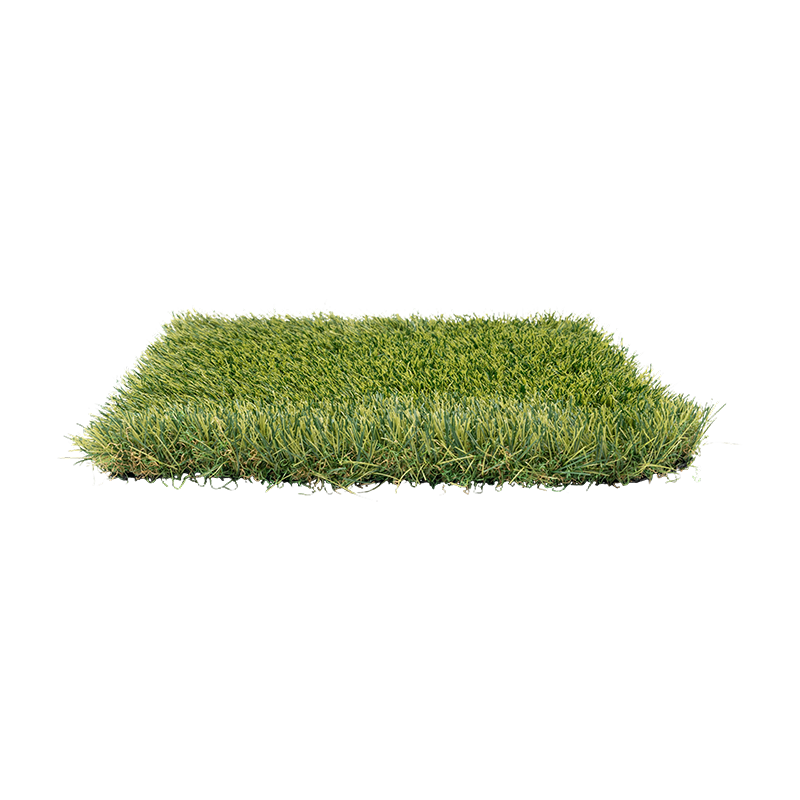
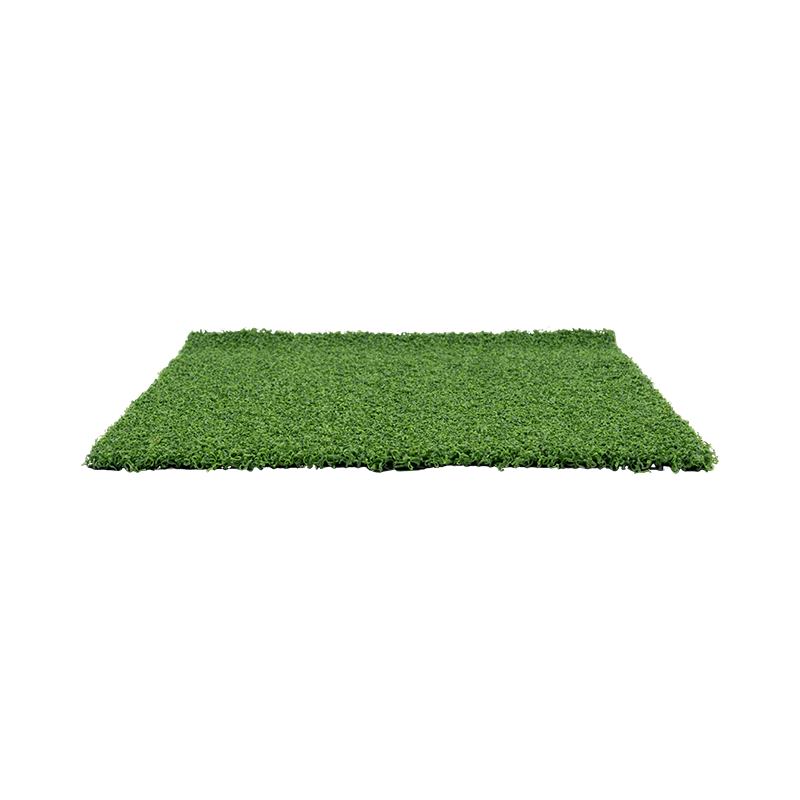
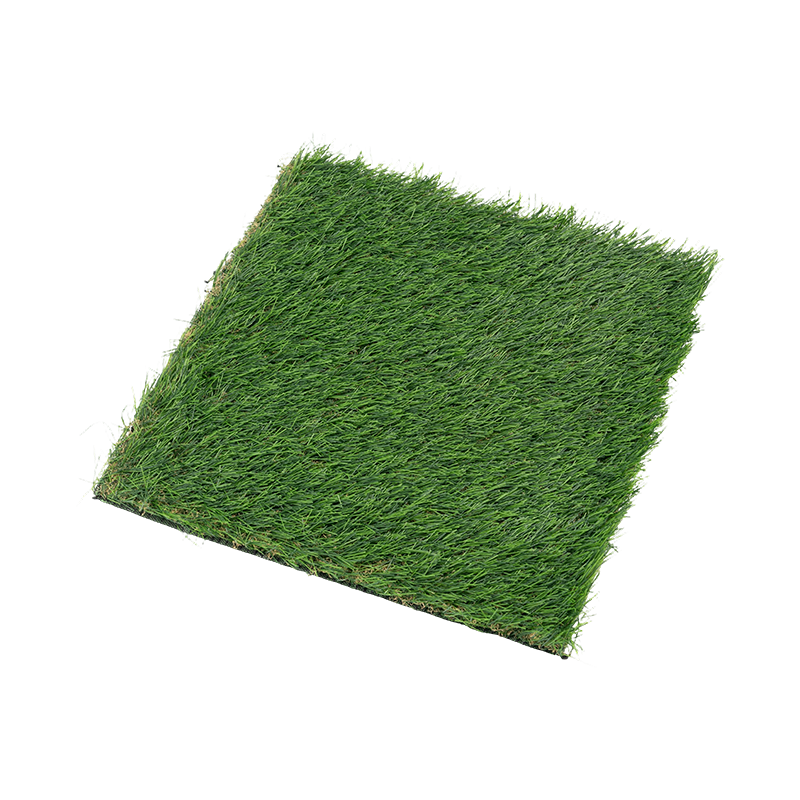 Pet-Safe Artificial Turf with PE and PP Fiber BlendThis turf combines soft polyethylene fibers with strong polypropylene support, offering a cushioned surface that handles pet scratching and ensures efficient drainage to prevent urine odors.View Product →
Natural Grass vs. Pet-Grade Artificial Grass
Comparing natural and synthetic lawns side by side clarifies where each option wins. No single lawn type is perfect, but the differences are predictable.
| Aspect | Natural Grass | Pet-Grade Artificial Grass |
|---|---|---|
| Mud and dirt indoors | High after rain | Very low |
| Chemical exposure | Fertilizers, herbicides, pesticides | None |
| Urine damage | Dead yellow patches | No burn; rinse to control odor |
| Wear resistance | Bare patches under constant traffic | Withstands continuous play |
| Winter appearance | Brown or dormant | Always green |
| Weekly maintenance | Mowing, watering, edging | Rinse, remove solids, occasional brush |
| Surface temperature | Cooler in summer | Warmer; light colors and shade help |
| Five-year cost | Recurring water, seed, chemicals, repairs | Mostly upfront; low recurring cost |
The practical result for most owners: natural grass is cheaper at installation but becomes the most expensive and time-consuming part of a dog yard over time, while artificial grass shifts the cost to the beginning and removes weekly lawn chores.
Installation and Cost: What Changes the Outcome
Installation quality, not the turf itself, is the most common cause of early failure in pet lawns. A flat, well-drained base prevents bumps, pooling, and digging problems for years.
- Excavate and compact a base. A 75–100 mm layer of crushed stone or decomposed granite is compacted to create a firm, level surface.
- Add a weed barrier and optional pet liner. A geotextile membrane blocks weeds; a plastic pet mesh beneath the turf stops determined diggers from tunneling through the base.
- Seam and fix the perimeter. Seams are joined with adhesive tape or glue and anchored with galvanized staples. Weak seams lift under the pounding of running dogs.
- Spread and brush infill. Infill is distributed evenly and brushed into the fibers. Skimping on infill leads to premature flattening.
Professional installation typically costs $8 to $18 per square foot depending on region, access, and base work, with the turf itself representing only a portion of the total. A serious budget turf over a poorly prepared base will fail faster than a mid-range turf over a correctly compacted base.
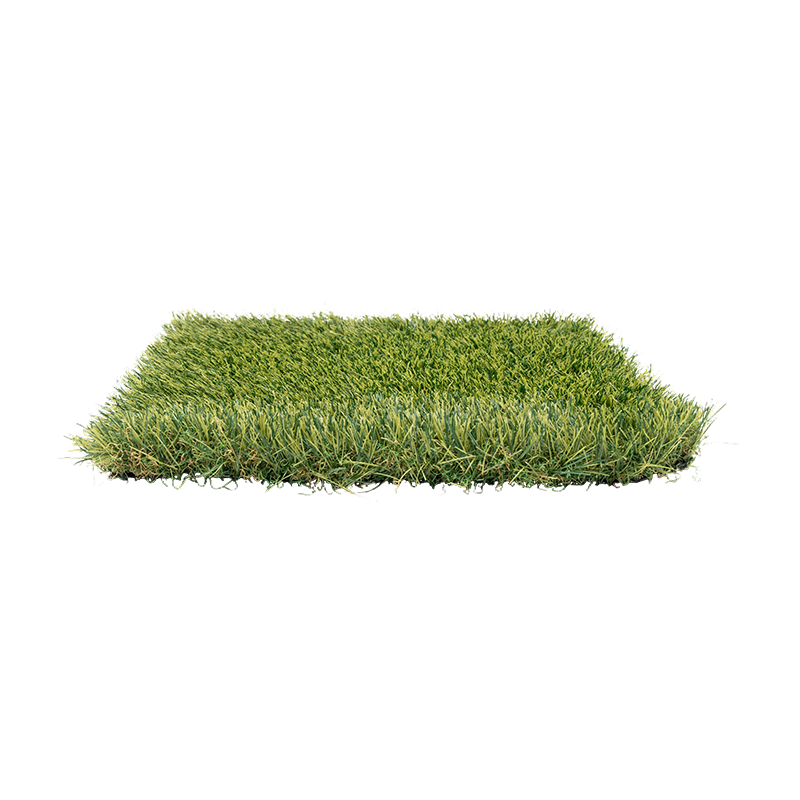
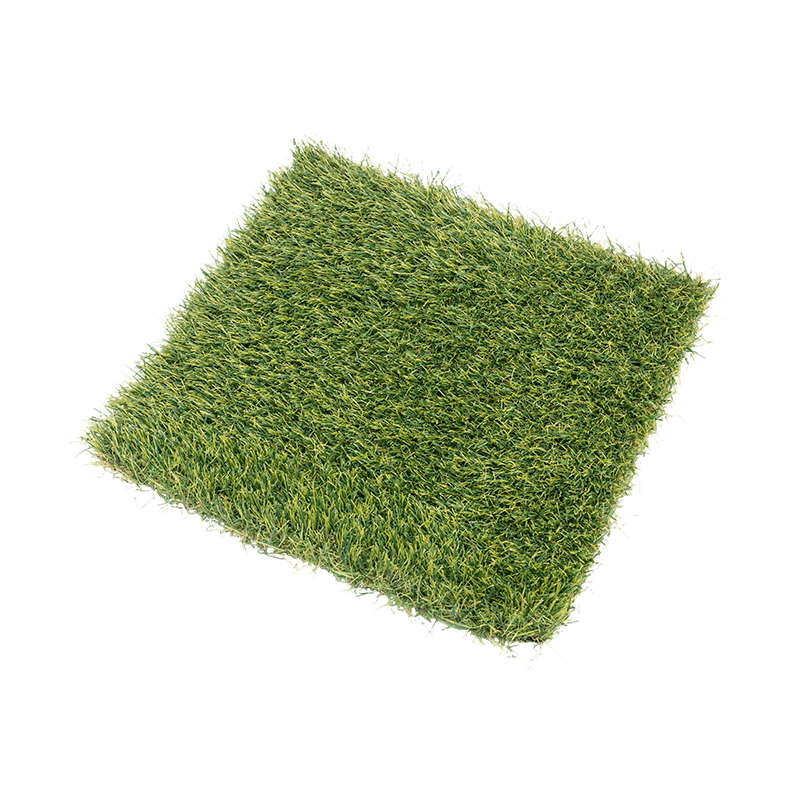 Custom Backyard Landscaping Using Synthetic TurfExplore how artificial grass transforms sloped or irregular yards into low-maintenance, pet-friendly spaces, with design cues that align drainage and seams to your dog's actual habits.View Product →
For unusually shaped yards, slopes, or mixed pet-and-play zones, a custom turf design can align drainage lines and seams with the way your dog actually uses the space.
How to Maintain Artificial Grass With Dogs
Daily poop pickup, a weekly rinse, and a monthly brush are the complete maintenance routine for a synthetic lawn with dogs. There is no mowing, fertilizing, or watering.
- Pick up solid waste every day. Left waste accelerates odor and stains fibers.
- Rinse urine zones once or twice a week with a garden hose to flush urea through the backing.
- Apply an enzyme-based cleaner every two to four weeks to high-traffic spots or as soon as odor appears. Enzyme products break down urine compounds; regular detergents only mask them.
- Brush the pile every few weeks with a stiff broom or power brush to lift matted blades and redistribute infill.
- Inspect seams and edges twice a year; early repair prevents lifting that worsens quickly under dog traffic.
Frequently Asked Questions
Is artificial grass safe for dogs?
Yes. Modern artificial grass is made from polyethylene and polypropylene that contain no toxic chemicals, and it removes exposure to lawn fertilizers and pesticides entirely. The historical safety concern was crumb rubber infill; current pet-grade systems use coated silica sand or organic infill, which are cleaner and non-abrasive.
Does dog urine damage artificial grass?
No. Synthetic fibers cannot be burned by urine the way real grass can. The only real risk is odor buildup when drainage is poor, so choose turf with a drainage rate of at least 30 L/min/m² and rinse regularly.
Why does my artificial grass smell like dog pee?
Odors develop when urine remains in contact with infill or the base long enough to decompose into ammonia. Rinse more frequently, use an enzyme cleaner, and confirm your turf actually has a permeable backing. Dusty or overly fine infill traps moisture and may need replacement.
Can dogs dig through artificial grass?
Healthy paws cannot penetrate a correctly installed turf over a compacted stone base. For persistent diggers, a pet barrier mesh installed beneath the turf blocks tunneling from below and reinforces the entire lawn.
How long does artificial grass last with dogs?
Ten to fifteen years is realistic for pet-grade turf with proper installation and basic maintenance. Premature failure is almost always caused by drainage problems or seam failure from poor installation rather than by fiber wear.
The verdict is clear: artificial grass is good for dogs when you select pet-grade specifications and prepare the base correctly. It eliminates mud, chemical exposure, and endless lawn repair; it survives urine; and it stays green through every season. Choose drainage above 30 L/min/m², polyethylene fibers in the 30–40 mm pile range, and coated silica sand infill, and you will get a yard your dog can live on happily for a decade or more.
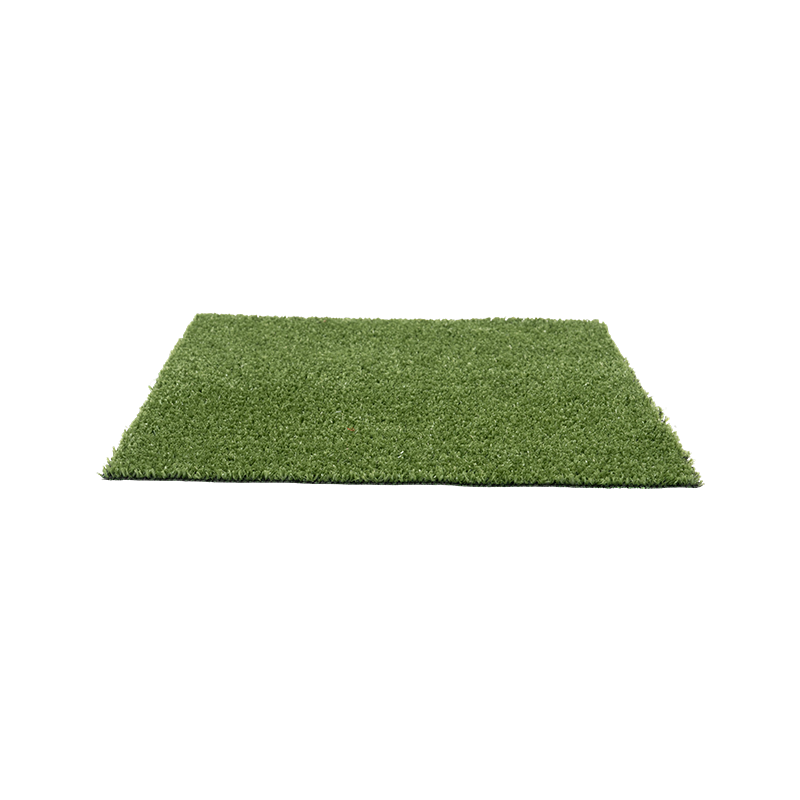
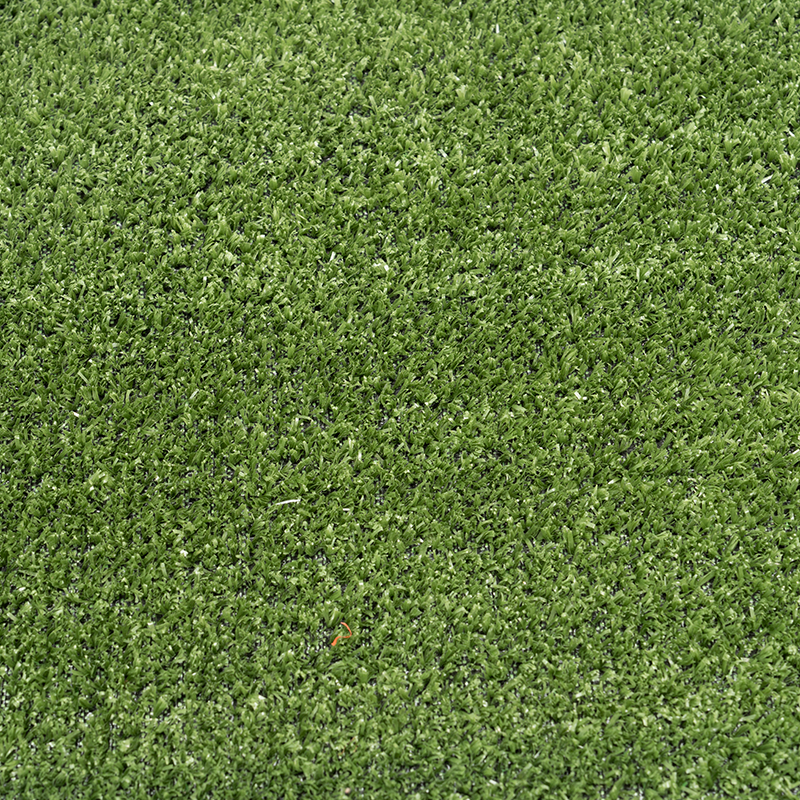 Dense Residential Turf for Pet-Friendly YardsEngineered with high density and a composite backing, this residential turf stays green and odor-free under pet use, making it a durable choice for mud-free, year-round play.View Product →
The growing shift toward synthetic turf in modern landscaping is driven largely by this pet-friendly durability. If you are ready to replace mud season with a consistent green lawn, start by asking suppliers for the specification sheet — then compare the numbers, not just the samples.

 +86-19742095266
  zoe_canyoograss@163.com
  No.18 Baqiao, Xinji Yizheng, Yangzhou, Jiangsu. P.R. China