 Get in touch
 English
  English
 中文简体
中文简体 русский
 Español
 عربى
عربى Français
 Português
 Deutsch
 বাংলা
বাংলা 日本語
日本語 Polskie
 italiano
 Türk
Türk 한국어
한국어 ไทย
ไทย
Content
- 1 Why Global Demand for Synthetic Turf Is Rising
- 2 The Main Drivers Behind the Shift
- 3 How the Market Is Responding
- 4 Synthetic Turf vs Natural Grass: A Practical Comparison
- 5 Environmental Concerns: Heat, Materials, and End-of-Life Management
- 6 What Buyers Should Consider Before Investing in Synthetic Turf
- 7 Frequently Asked Questions
- 8 The Outlook: Continued Growth With More Intelligent Specification
Why Global Demand for Synthetic Turf Is Rising
Global demand for synthetic turf is increasing because the product solves a set of practical problems that natural grass cannot. Water restrictions, tightening maintenance budgets, and the need for reliable sporting surfaces have moved synthetic turf from a niche alternative to a standard specification.
Market research points to steady growth across sports, landscaping, and residential installation. The more meaningful shift is qualitative: buyers are no longer asking whether they should use synthetic turf; they are asking which system, with which backing, infill, and service package, will deliver the lowest risk over the next decade.
The Main Drivers Behind the Shift
Four factors explain why the market keeps moving in one direction.
- Water scarcity: Growing water restrictions make irrigated natural grass difficult to justify in many urban areas.
- Maintenance budgets: Mowing, labour, fertilisers and irrigation equipment consume funds that facility owners need elsewhere.
- Weather resilience: Synthetic turf can be used immediately after heavy rain and remains consistent during dry spells.
- Life-cycle economics: A higher upfront investment is often repaid through avoided water and maintenance costs.
Water Scarcity and the Cost of Irrigation
Water is the most immediate driver. Many regions now impose seasonal watering limits or charge higher rates for non-essential consumption. A natural-grass pitch can require thousands of cubic metres of water per season in dry climates, and sports fixtures are often curbed or cancelled when irrigation is restricted. Synthetic turf removes that pressure entirely: the grass itself needs no water, and the occasional cleaning rinse uses a negligible amount.
Rising Maintenance Expenditure for Natural Grass
Natural grass is never free. Mowing, aeration, fertilising, weed control, re-seeding and watering require labour, machinery, fuel and chemical inputs. For schools, municipalities and commercial operators, grounds maintenance is a permanent line-item expense. Synthetic turf collapses that list into simple routines: brushing, debris removal, infill top-up and periodic inspection.
The Need for All-Weather, Durable Sports Surfaces
Sports facility operators increasingly need certainty. Climate change is bringing more intense rainfall and longer dry spells. Natural-grass pitches become waterlogged or rock-hard, postponing matches and increasing injury risk. Modern turf systems, with engineered drainage and infill layers, provide consistent ball roll, traction and shock absorption regardless of the weather.
Urban Landscaping and Low-Upkeep Green Space
Homeowners, hotels and city planners like the look of green space but not the cost of maintaining it. In dense urban environments, rooftops, balconies, narrow side yards and other awkward spaces are difficult for natural grass. Landscaped synthetic turf offers a stable, year-round visual finish that fits modern residential and commercial designs without weekly upkeep.
How the Market Is Responding
Global demand is not just growing in volume; it is growing in sophistication. Buyers expect products that look natural, perform under heavy use, and come with clear life-cycle support.
Sports Systems: Performance Beyond Basic Drainage
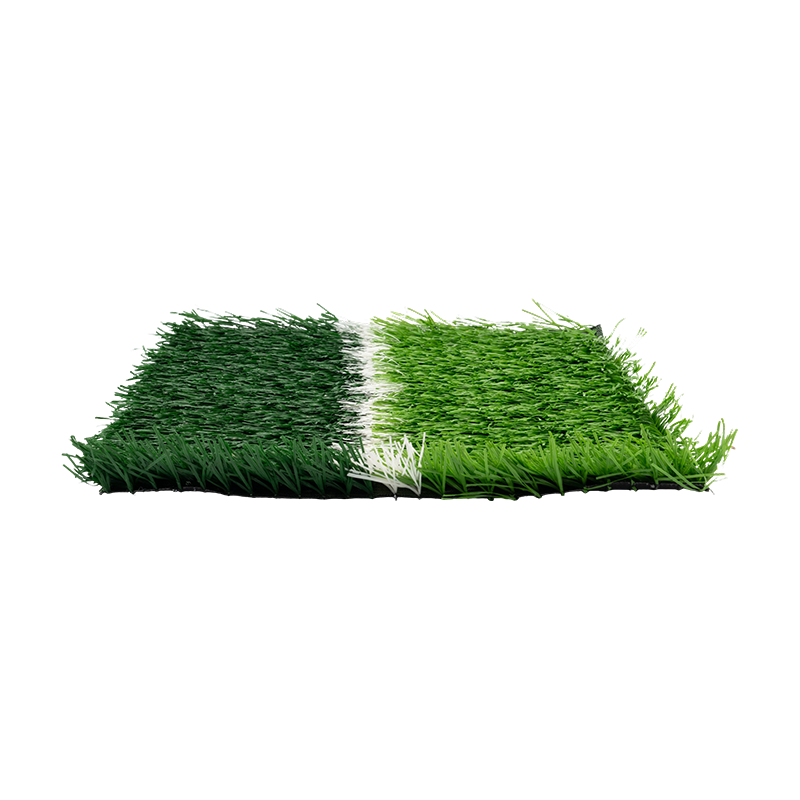
Sport turf is no longer a simple carpet. The choice of yarn, tufting density, backing and infill affects ball speed, bounce, player movement and safety. Multi-sport venues must balance the needs of football, tennis, hockey and training sessions in a single surface. As a result, suppliers are engineering turf as a complete performance system rather than selling rolls of grass.
Landscape Turf: Aesthetic Consistency and Residential Appeal
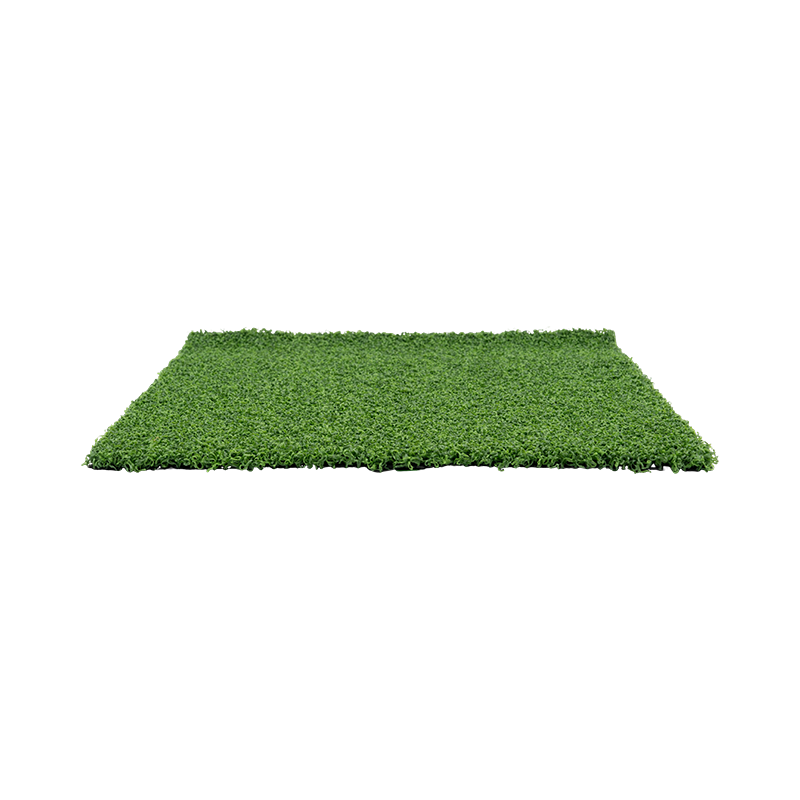
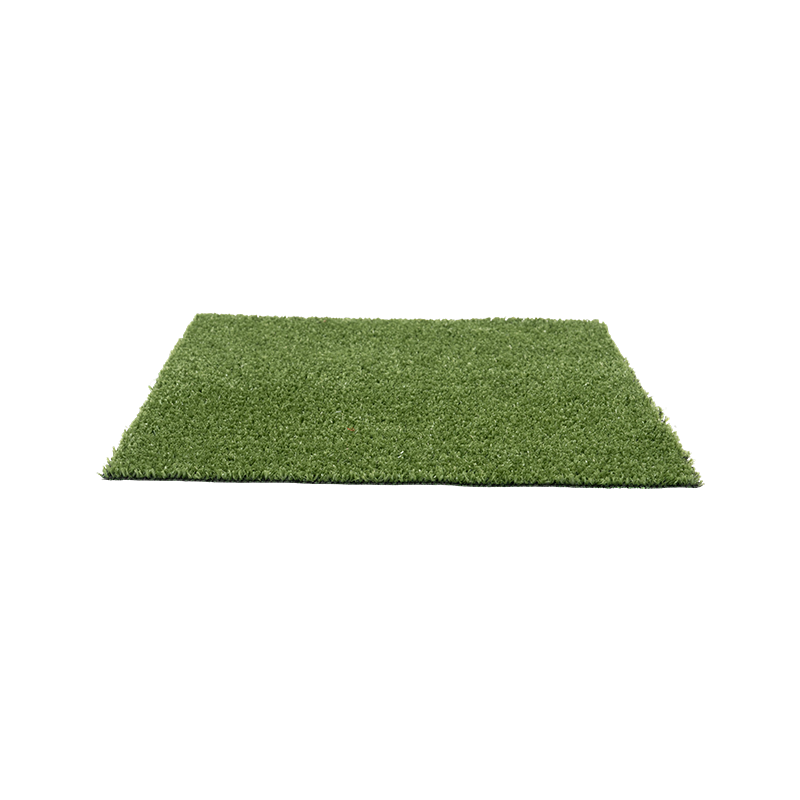
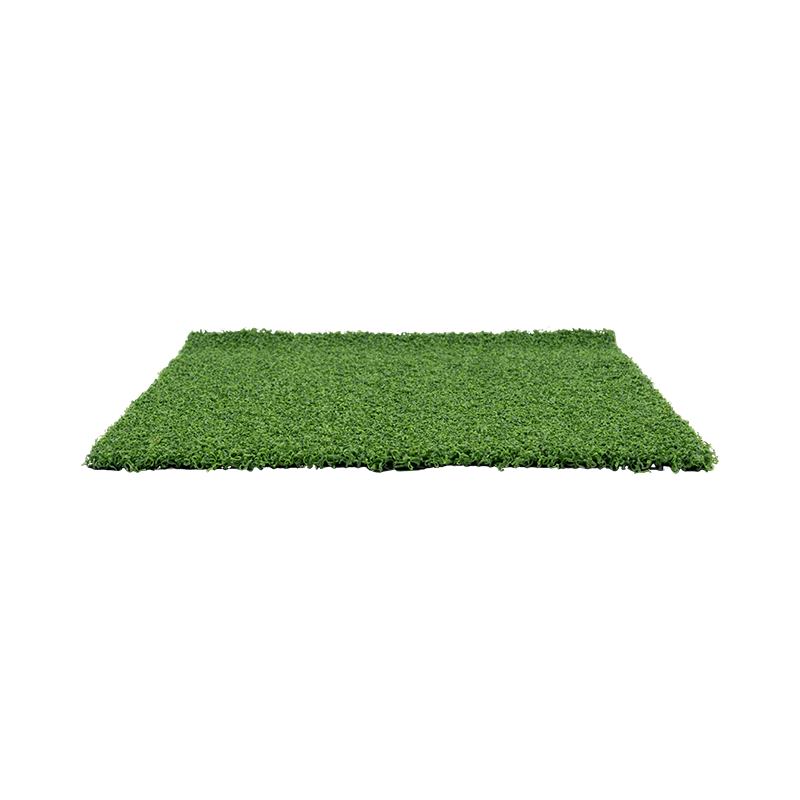
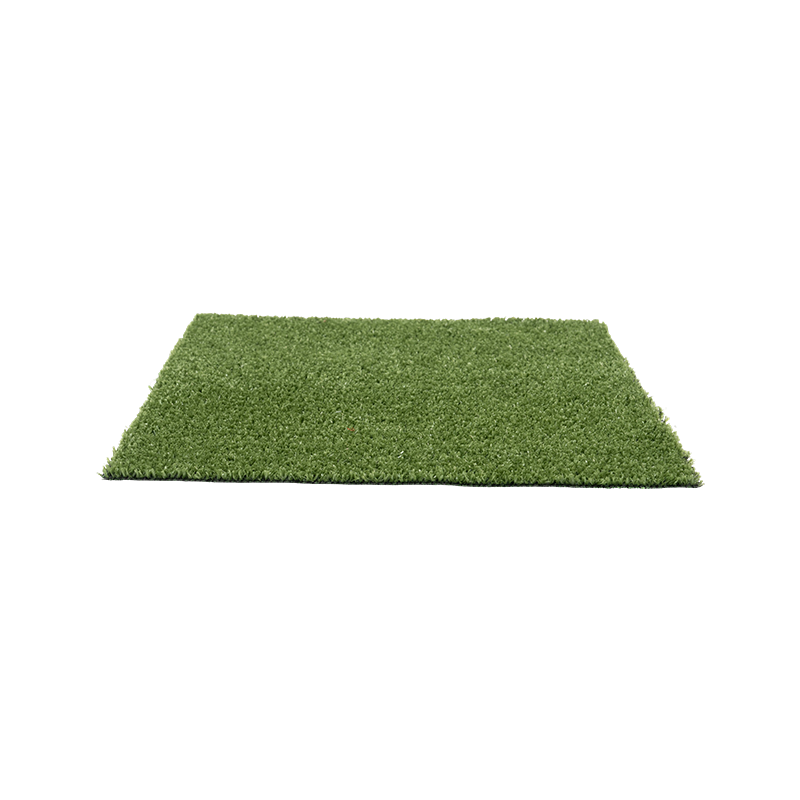
Landscape turf has evolved as well. Higher-end products use flat, multi-tone blades that closely resemble natural grass while handling regular foot traffic and drainage. Hotels, schools, housing developments and public parks use it for poolsides, play areas, roof terraces and street planters. Different pile heights and infill choices allow designers to tune the surface for visual effect and usage intensity.
Regional Growth Patterns
Demand is broad, but regional pressures vary. In arid and semi-arid regions, water conservation makes synthetic turf the default for public and private projects. In densely populated Asia-Pacific cities, the shortage of accessible sports fields drives steady investment. In North America and Europe, replacement demand for ageing sports fields, combined with residential landscaping interest, creates a mature and increasingly professional market.
Manufacturers Are Moving to Full-Cycle Service Models
Another sign of a maturing market is how manufacturers differentiate. Instead of supplying turf rolls and leaving the rest to third parties, leading suppliers now deliver design, production, installation and after-sales support. This end-to-end model reduces risk because one team owns the system from ground preparation onwards. It also forces suppliers to understand local climate, drainage, usage patterns and long-term maintenance requirements.
Synthetic Turf vs Natural Grass: A Practical Comparison
For most buyers, the decision comes down to trade-offs rather than simple likes or dislikes. The table below summarises the factors that matter most in a procurement decision.
| Factor | Synthetic Turf | Natural Grass |
|---|---|---|
| Water use | No irrigation for growth; occasional cleaning only | Regular watering, often on a weekly cycle in dry climates |
| Maintenance | Brushing, debris removal, infill top-up | Mowing, fertilising, aerating, watering, pest control |
| Weather resilience | Playable after rain; engineered drainage | Rain can cause postponements; drought causes wear |
| Surface consistency | Uniform ball roll and traction throughout its life | Varies with weather, soil condition and wear patterns |
| Lifespan | 8–15 years depending on system and use | Perennial, but quality can decline seasonally |
| Upfront cost | Higher initial installation investment | Lower to establish initially |
| Whole-life cost | Lower over time, especially in high-use facilities | Ongoing water, labour and chemical costs accumulate |
| Environmental trade-offs | Raw material and heat concerns; no watering or chemical inputs | Supports biodiversity and cooling but requires water and fertiliser |
Environmental Concerns: Heat, Materials, and End-of-Life Management
Synthetic turf is not without environmental criticism, and the industry has responded with more honest specifications and better material choices.
Heat Retention and Cooling Solutions
One of the most serious objections is heat retention. On very hot days, dark yarn and infill can raise surface temperatures. The problem is manageable. Lighter yarn colours, special reflective coatings, and careful infill selection reduce absorption. Designers can also use shading structures or periodic water misting for sports fields. The real fix is choosing a turf system designed for the local climate and the amount of direct sun the surface will receive.
Material Innovation and Infill Selection
Some older fields used infills that raised questions about leaching and microplastics. Today, manufacturers use virgin or recycled polyethylene yarns, and infill options include natural cork, coconut fibre, silica sand and engineered thermoplastic materials. Buyers should examine both performance and environmental health when selecting an infill, because the same playing surface can be designed to run cooler, drain faster and require less maintenance.
Recycling and Circularity
An increasing number of turf products are designed with polymer backing systems that make end-of-life recovery easier. Some turf suppliers now collect old surfaces and convert them into new backing, acoustic mats, drainage layers or secondary construction materials. This circularity reduces landfill pressure and is becoming a decisive factor for institutions with sustainability commitments.
What Buyers Should Consider Before Investing in Synthetic Turf
Good decisions depend on more than marketing claims. Buyers need to compare systems, understand usage patterns, and look at the full cost of ownership.
Sports vs Landscape: Different Priorities
For sports projects, the priority should be impact attenuation, traction, drainage rate and long-term durability under repeated use. For landscape projects, the priority shifts to blade feel, appearance, heat behaviour, drainage and ultraviolet stability. A product that works well for a football pitch may look unnatural in a front garden, so specification matters more than price.
Upfront Budget vs Whole-Life Cost
Initial installation is usually the biggest hurdle. Site preparation, base layers, drainage, seaming and quality installation all add cost. But the whole-life cost can be lower, particularly for high-traffic areas. A ten-year budget that includes water, labour, fertiliser, equipment and replacement gives a far more accurate picture than the initial quote alone.
Vendor Capability: From Design to Maintenance
Choose a supplier that can handle more than the turf itself. Site surveys, base design, drainage planning, installation quality and aftercare determine whether a field performs as expected. A single point of responsibility makes commissioning, warranty and long-term maintenance easier. Buyers should ask about installation crews, spare materials, response times and maintenance programmes before signing.
Questions to Ask Before Purchase
- References in similar climates: Ask for completed projects that face similar rainfall, sun exposure and usage intensity.
- Drainage specification: For outdoor systems, check the engineered drainage rate and whether the base layer supports it.
- Backing and infill materials: Request the exact material composition and explain why it suits your typical conditions.
- Seam quality: Understand how seams are cut, glued or sewn, and what quality control is used during installation.
- Aftercare package: Confirm what maintenance visits, spare turf and warranty terms are included after handover.
Frequently Asked Questions
Is synthetic turf harmful to the environment?
Synthetic turf cannot replace the biodiversity of a natural lawn, and it is made from polymers. However, its environmental impact depends on system design and care. Modern water-saving, recyclable products and cooling measures can reduce the main drawbacks. In regions with severe water stress, the net environmental effect can be positive when compared with an irrigated and regularly fertilised natural lawn.
How long does synthetic turf last?
A typical landscape installation lasts 12–18 years, while a heavily used sports field lasts 8–12 years depending on yarn quality, infill levels and maintenance intensity. After that, some systems can be refreshed or recycled rather than replaced entirely.
Can synthetic turf be recycled?
Yes, but recyclability depends on construction. Monocomponent or polymer-backed products are easier to recycle than those built with complex blends. At the end of its life, turf can be shredded and used in drainage layers, acoustic matting, or as raw material for new backing. It is worth asking the supplier for an end-of-life return offer.
Is synthetic turf cheaper than natural grass?
The upfront cost is higher, but the total cost of ownership is often lower. A typical sports field consumes substantial water, fertiliser, labour and equipment every year. With proper maintenance, synthetic turf removes most of those recurring costs and remains usable for many years, so the payback period can be surprisingly short.
The Outlook: Continued Growth With More Intelligent Specification
The global increase in synthetic turf demand is not a simple preference for plastic lawns. It is a response to resource scarcity, rising operating costs, and the need for dependable sports and landscape surfaces. The next phase of growth will not be about volume alone; it will be about better systems, better materials and better life-cycle management.
In our own work with sports and landscape projects, the most successful installations are always those where the supplier has been involved from base preparation to aftercare. Global demand will keep rising for the same reason it began: synthetic turf gives people a surface they can count on, year after year.

 +86-19742095266
  zoe_canyoograss@163.com
  No.18 Baqiao, Xinji Yizheng, Yangzhou, Jiangsu. P.R. China