 Get in touch
 English
  English
 中文简体
中文简体 русский
 Español
 عربى
عربى Français
 Português
 Deutsch
 বাংলা
বাংলা 日本語
日本語 Polskie
 italiano
 Türk
Türk 한국어
한국어 ไทย
ไทย
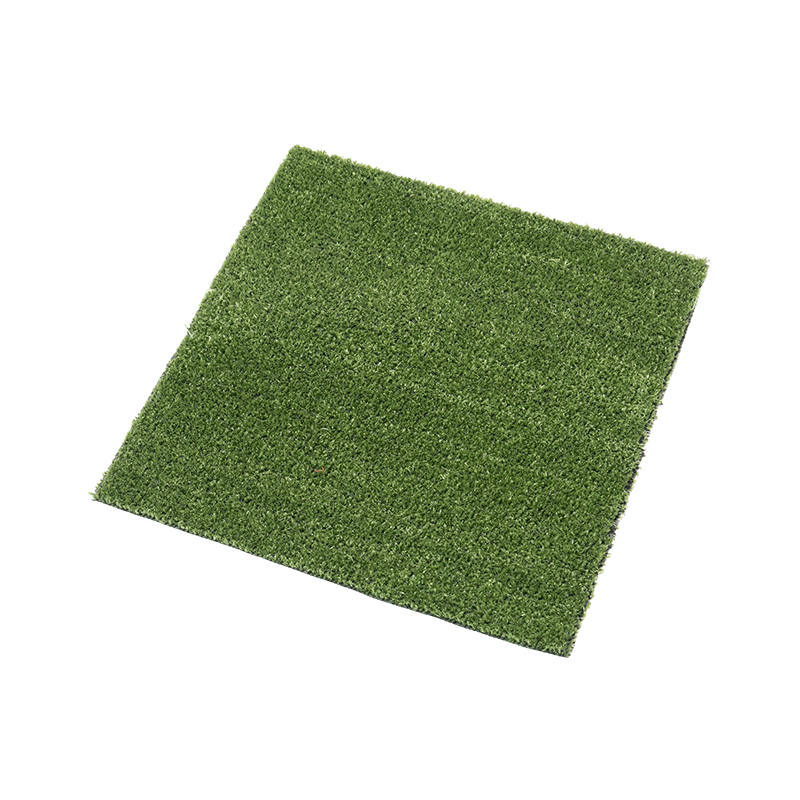
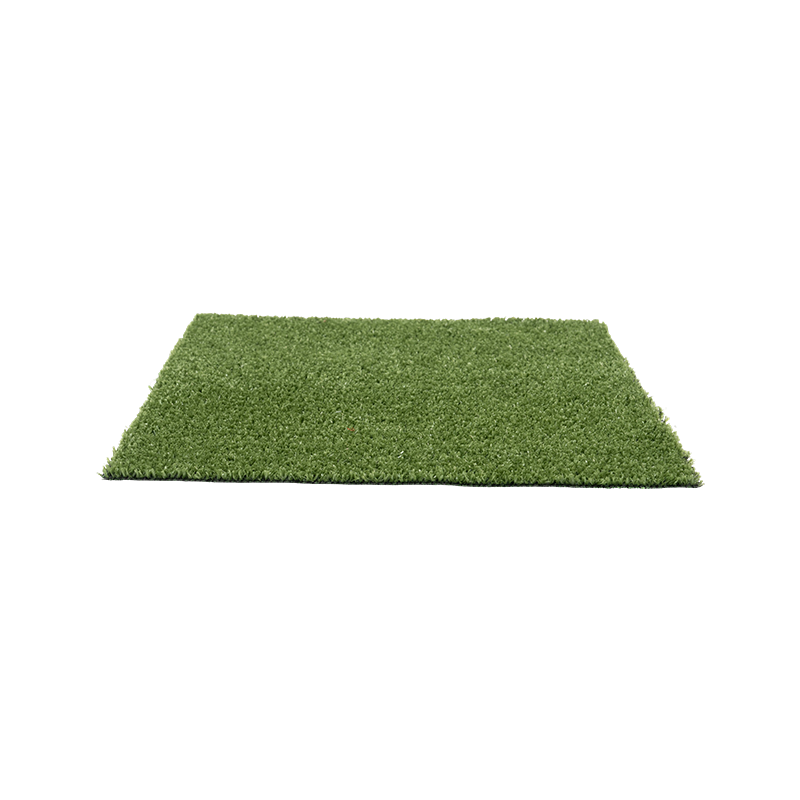
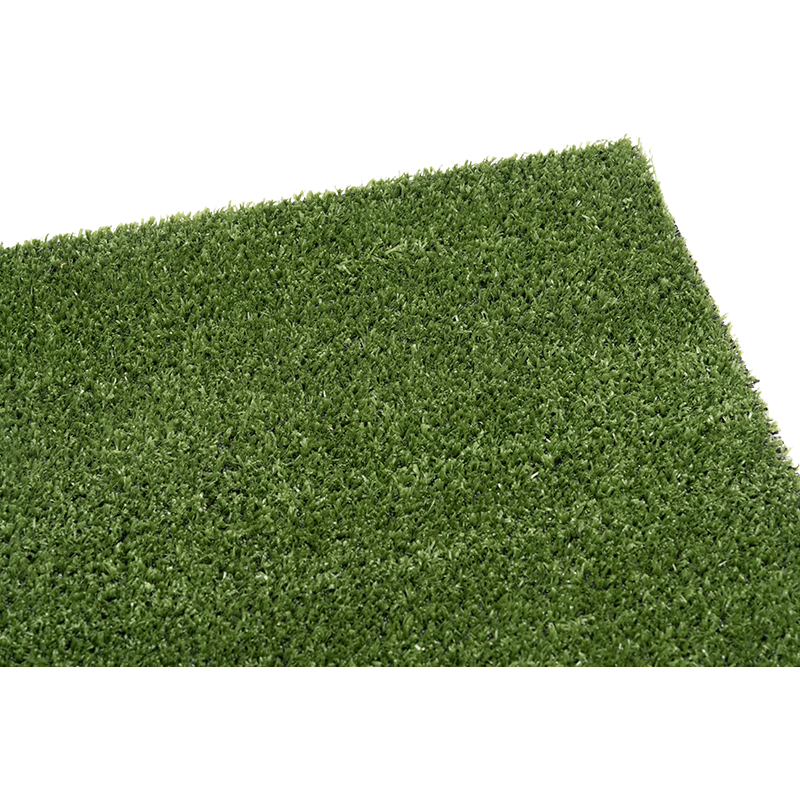
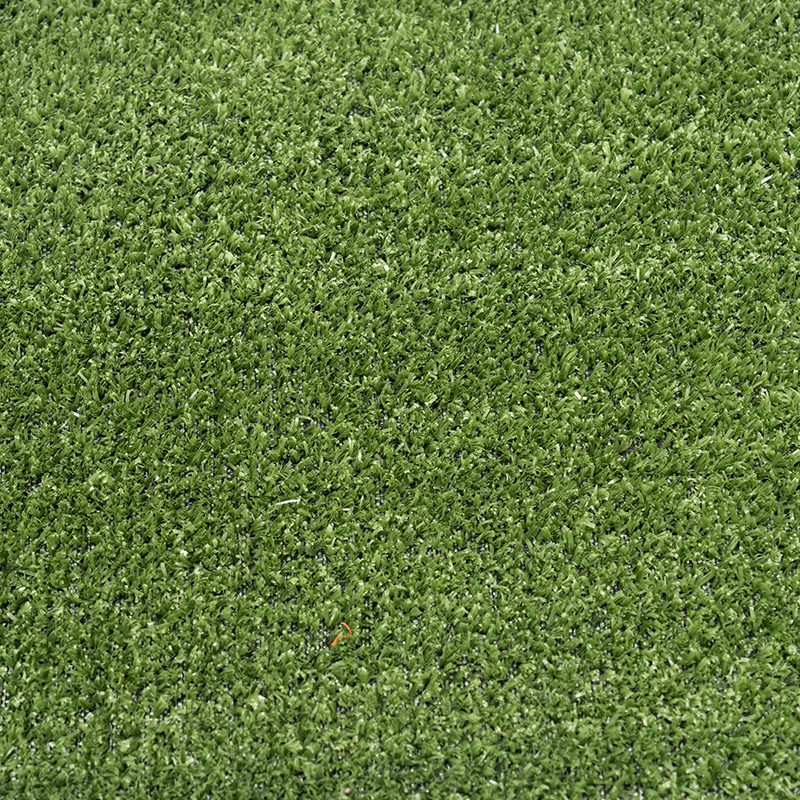
Artificial Turf For Rooftop
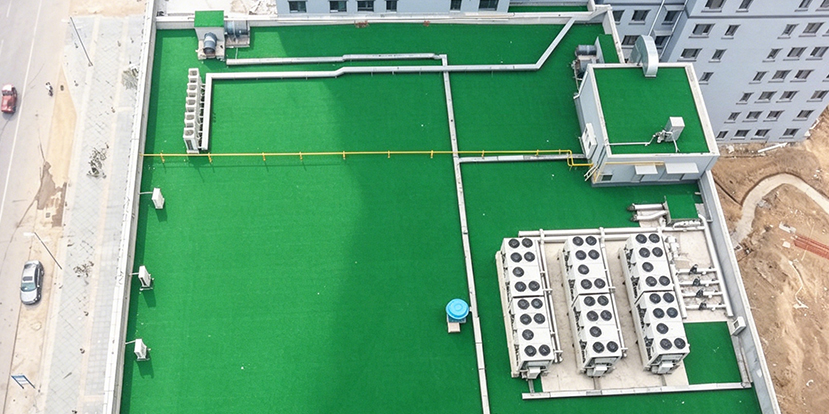
Artificial turf for rooftops is a green decorative solution specifically designed for building roofs. It typically consists of highly realistic synthetic grass fibers (such as polypropylene and polyester) and a special base material (such as waterproof mesh and cushioning pads), aiming to solve the problems of difficult greening, leakage, and maintenance of urban high-rise rooftops.
| Dtex | 2000 |
| Material | PP |
| Pile height | 7mm |
| Gauge | 5/32 |
| Stitch rate | 200 stitches |
| Tuft density | 70560 |
Core Definition and Functions
1. Definition: A decorative and functional material used for building roofs, simulating the appearance and feel of natural grass. It provides a green visual effect by laying artificial turf on the roof surface, while also possessing properties such as heat insulation, noise reduction, and slip resistance.
2. Main Functions:
Heat Insulation and Cooling: Reflects sunlight, lowers the roof surface temperature, reduces air conditioning energy consumption, and mitigates the urban heat island effect.
Waterproofing and Leak Prevention: Employs a special waterproof base fabric and permeable structure to prevent leakage problems.
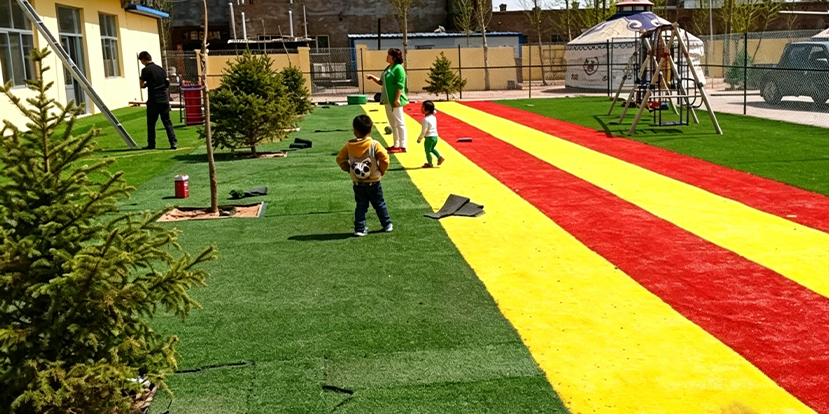
Aesthetics and Recreation: Provides a safe and comfortable green space suitable for leisure, socializing, or light exercise (such as children playing or yoga).
Key Features and Advantages
1. Lightweight: Compared to natural lawns or heavy-duty roof gardens, artificial turf is lighter, reducing the load on the roof structure.
2. Low Maintenance: Requires no watering, fertilization, or regular mowing. It is UV-resistant, age-resistant, and typically has a lifespan of 5-10 years or more.
3. Slip-Resistant and Safe: The surface design is usually slip-resistant, maintaining good grip even in rainy or wet conditions, making it suitable for children and the elderly.
4. Environmentally Friendly and Water-Saving: It does not use water resources, solving the problem of difficult roof irrigation, making it a water-saving greening solution.
Applicable Scenarios
1. Residential Buildings: Add greenery to rooftop terraces, creating family leisure areas or small gardens.
2. Commercial Buildings: Enhance the building's image, provide leisure space for employees or customers, or decorate rooftop cafes or bars.
3. Public Spaces: Set up children's playgrounds or leisure seating on rooftops, improving the urban public environment.
Installation and Precautions
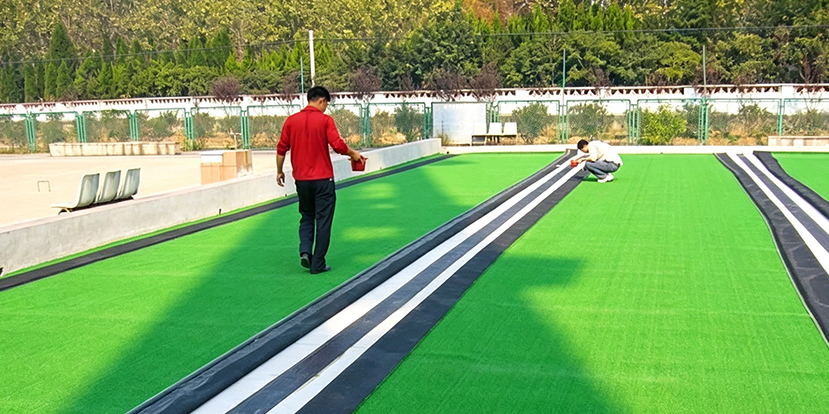
1. Waterproofing: Before laying the turf, ensure the roof's waterproofing layer is intact and lay a permeable underlayment as needed to ensure proper rainwater drainage.
2. Fixing Method: Use specialized adhesives or anchors to secure the turf and prevent it from being blown off in strong winds or earthquakes.
3. Regular Maintenance: Although it requires low maintenance, it is recommended to regularly remove fallen leaves and dust to prevent water accumulation and extend its service life.
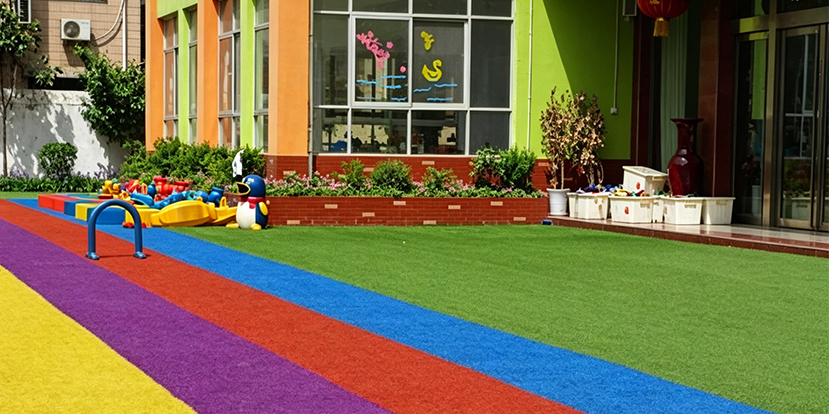
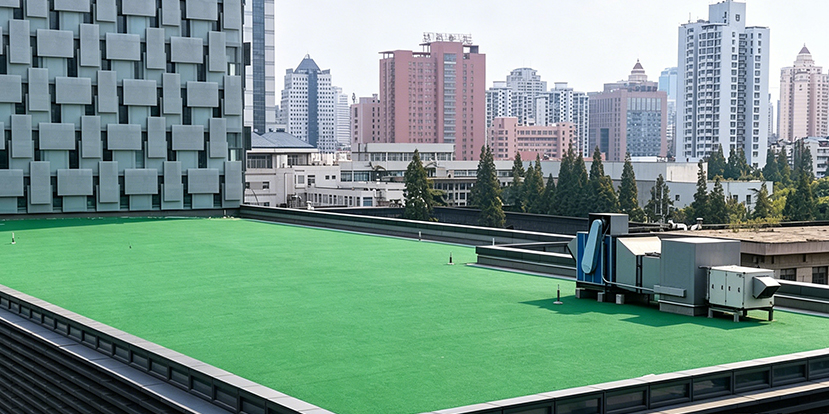
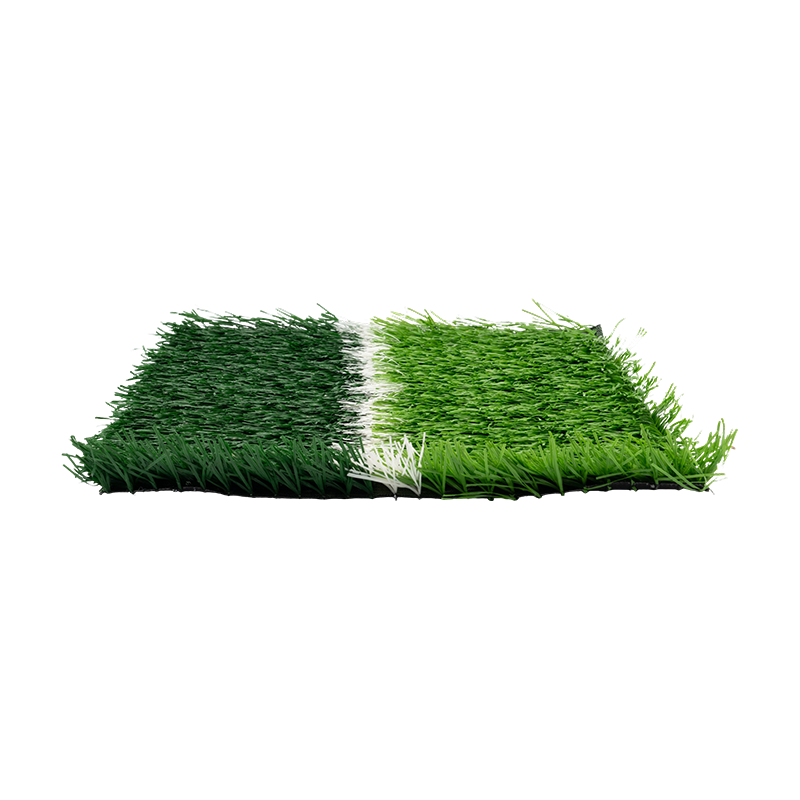
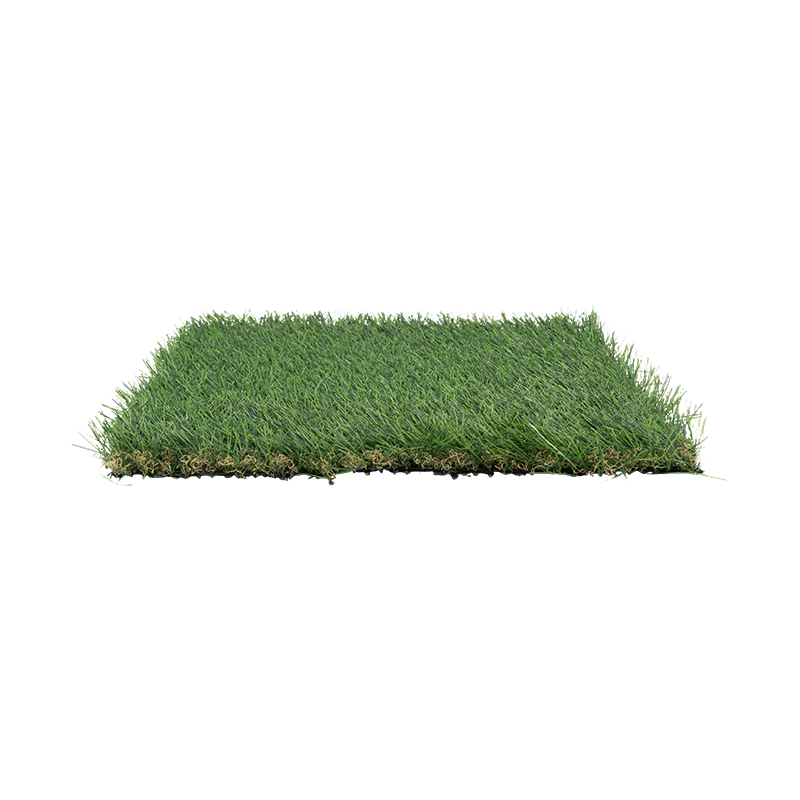
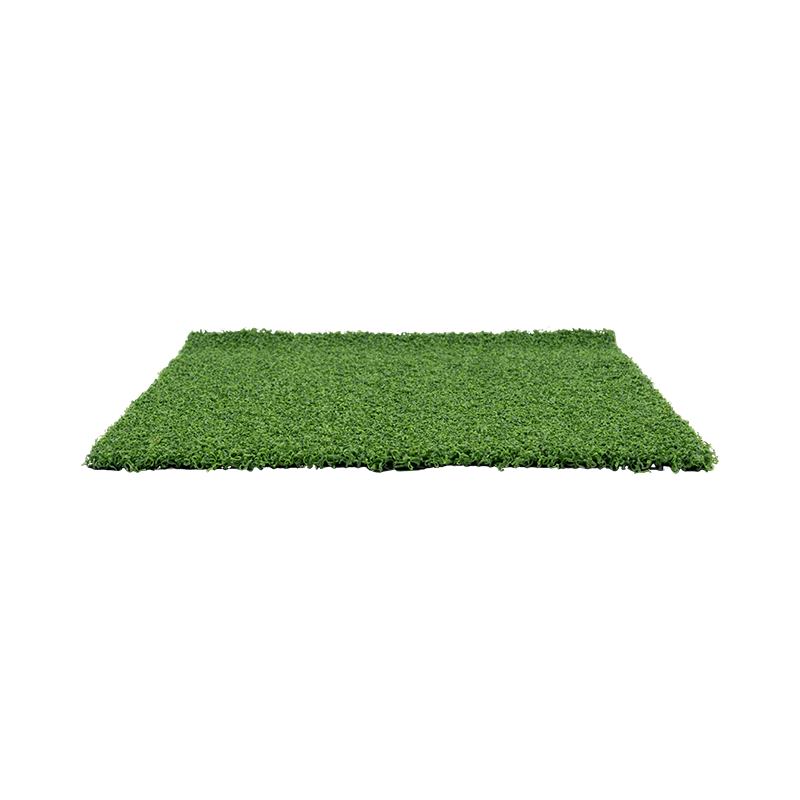
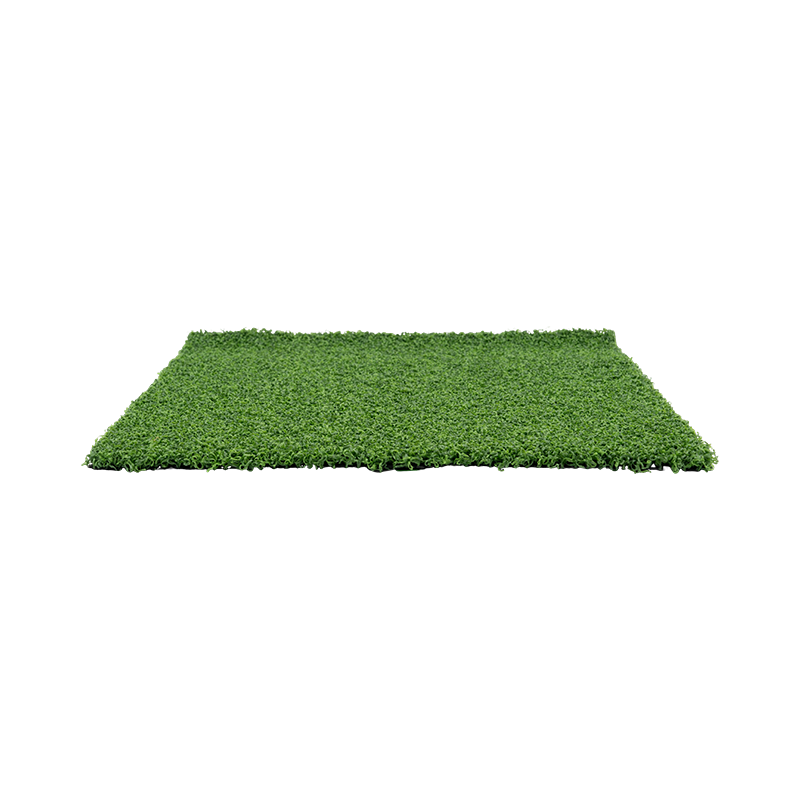
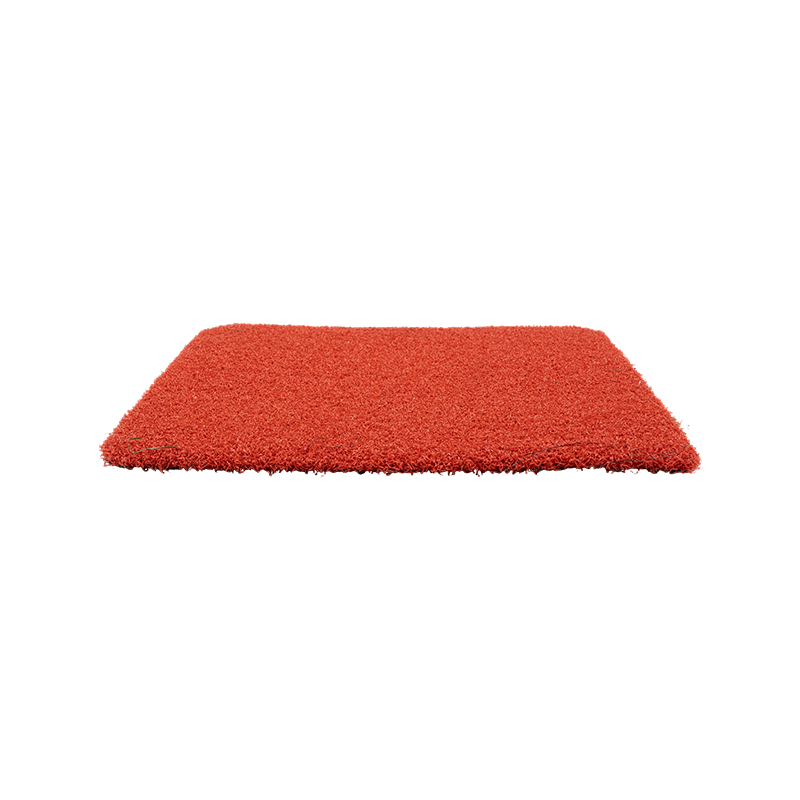
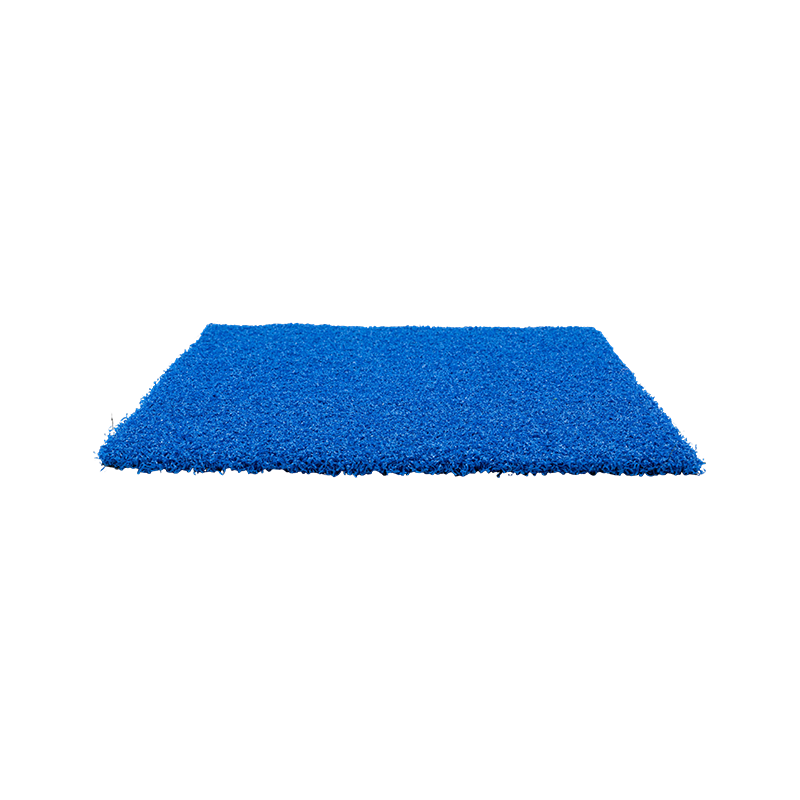
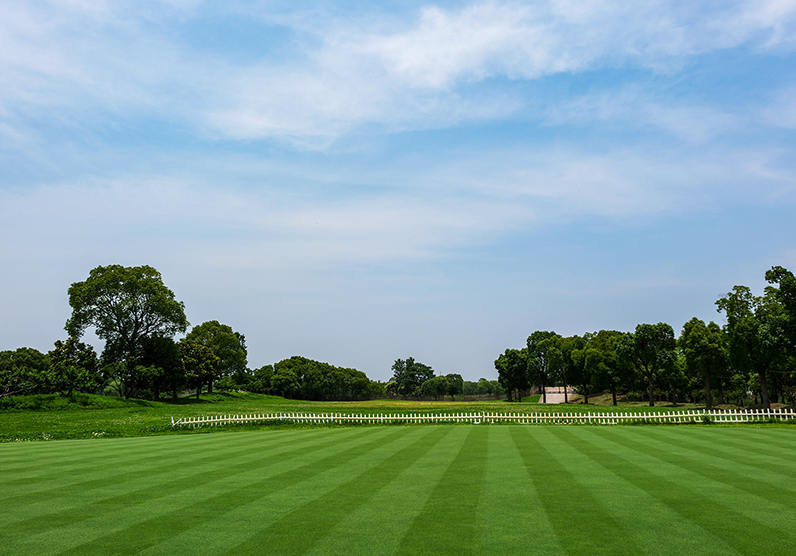
Our sports turf is engineered for football fields, tennis courts, and multi-use game areas; our leisure grass enhances rooftops, hotels, kindergartens, and residential communities. All products are developed in compliance with international quality and environmental standards.
Committed to reliability and customer-focused service, we ensure on-time delivery, professional execution, and ongoing support. Trust Canyoo for innovative, durable, and sustainable surfaces—where quality meets integrity.
more About Us
-
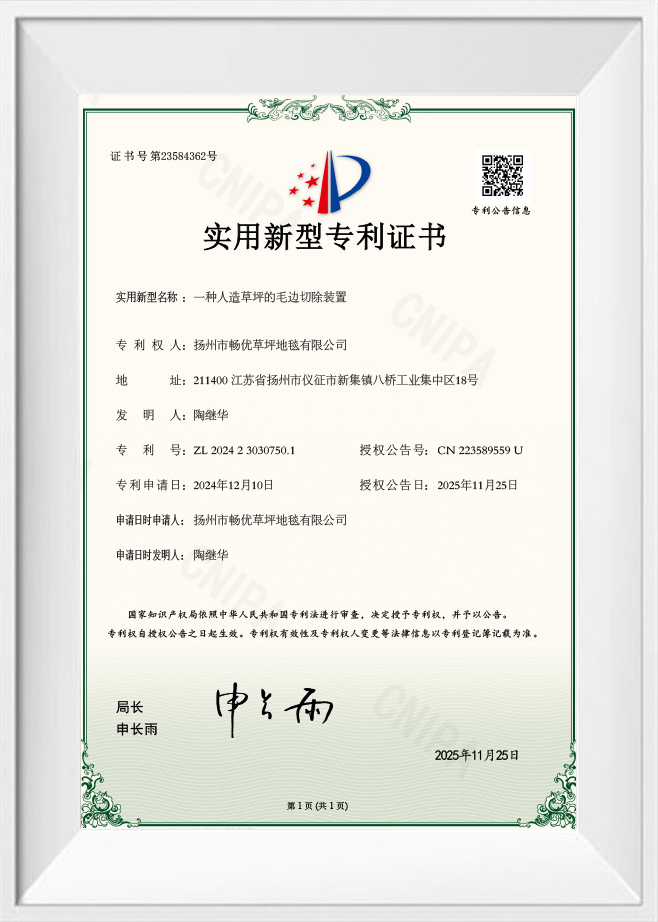
Utility Model Patent Certificate
-
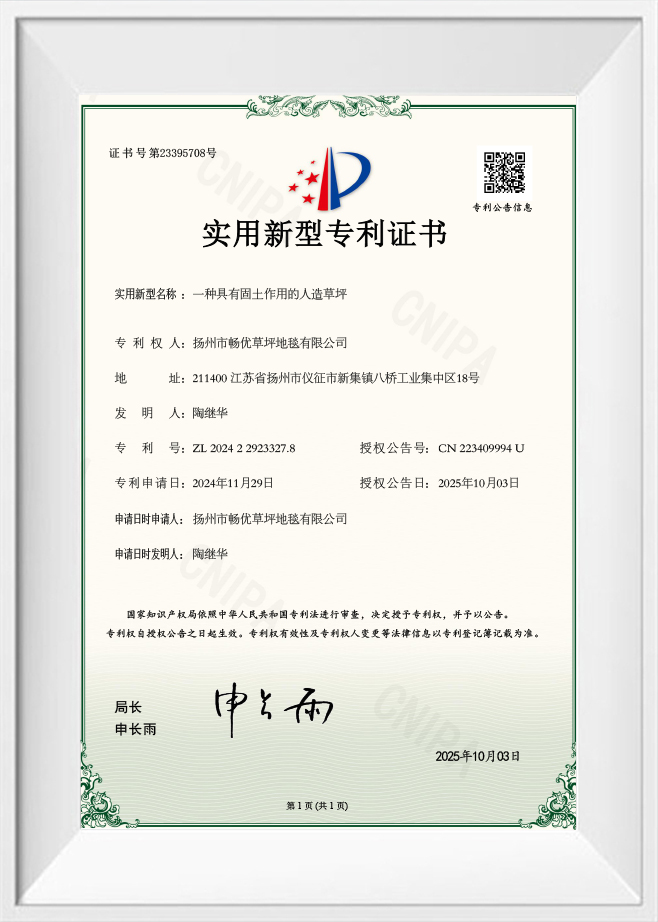
Utility Model Patent Certificate
-
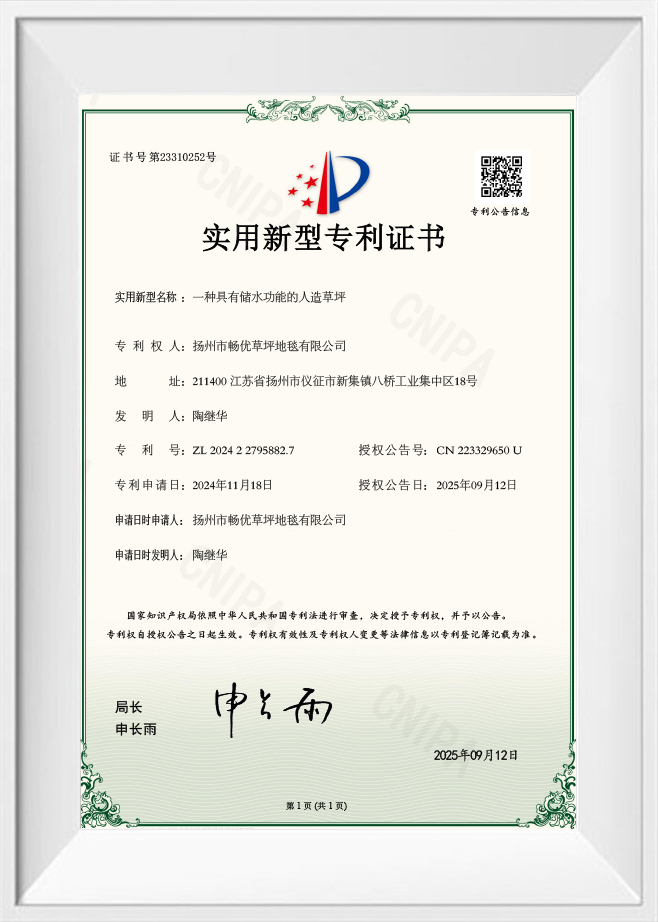
Utility Model Patent Certificate
-
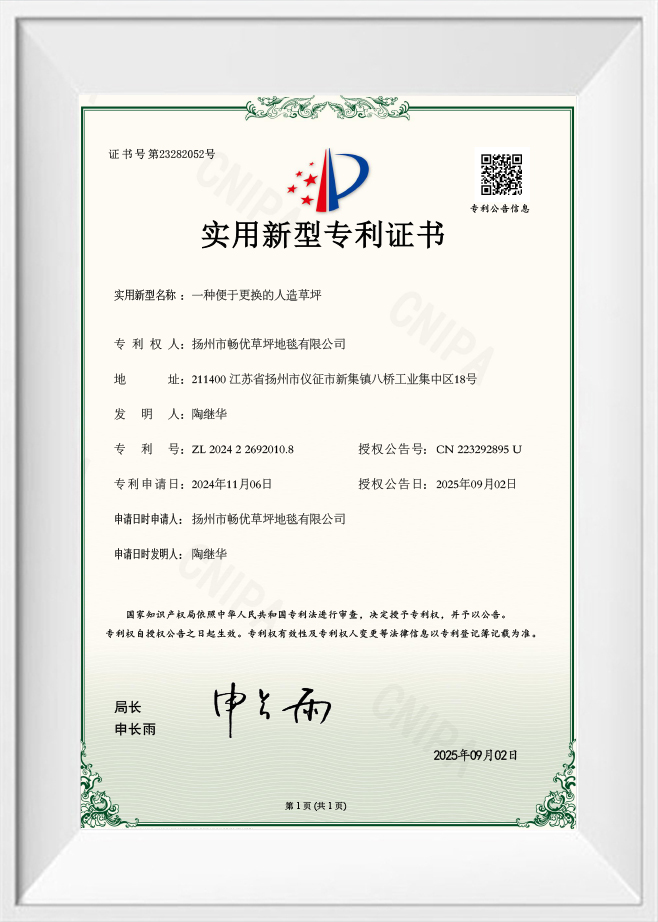
Utility Model Patent Certificate
-
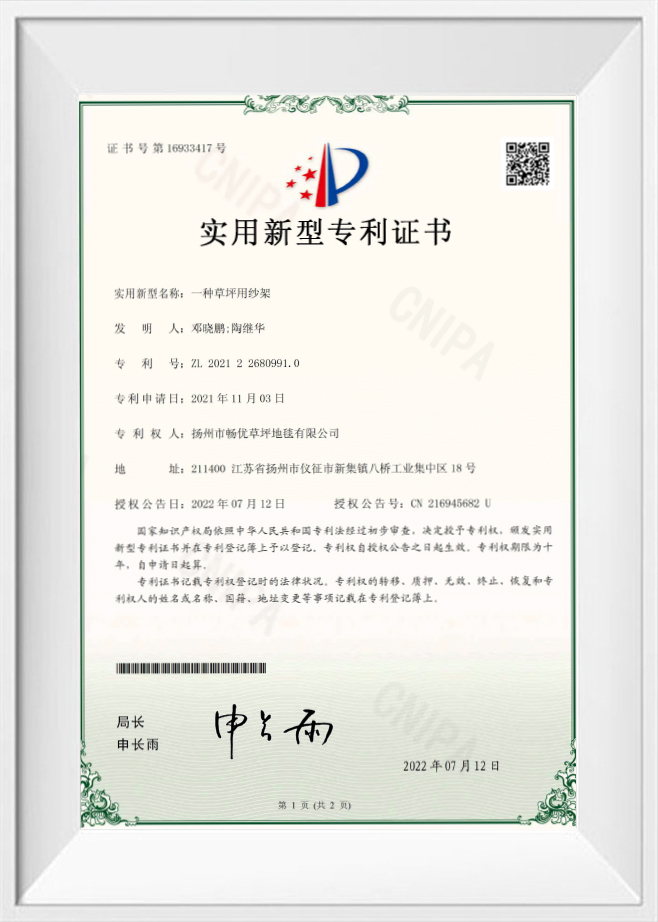
Utility Model Patent Certificate
-
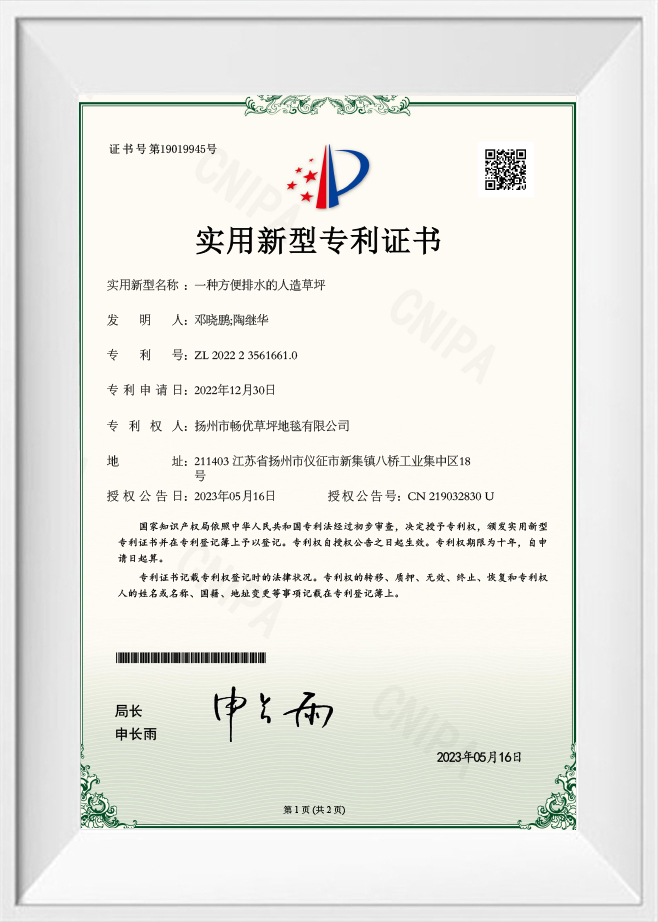
Utility Model Patent Certificate
-
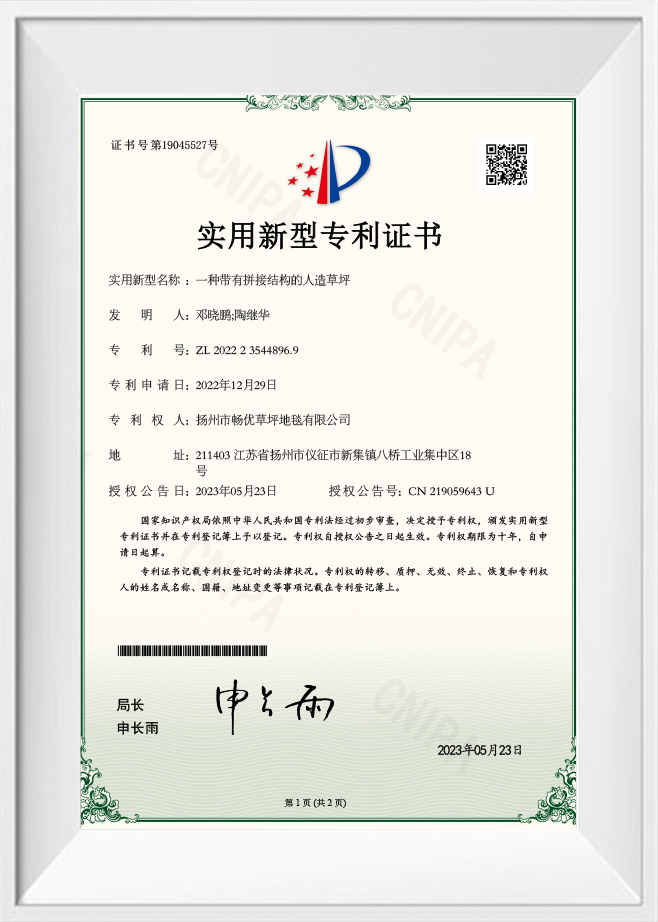
Utility Model Patent Certificate
-
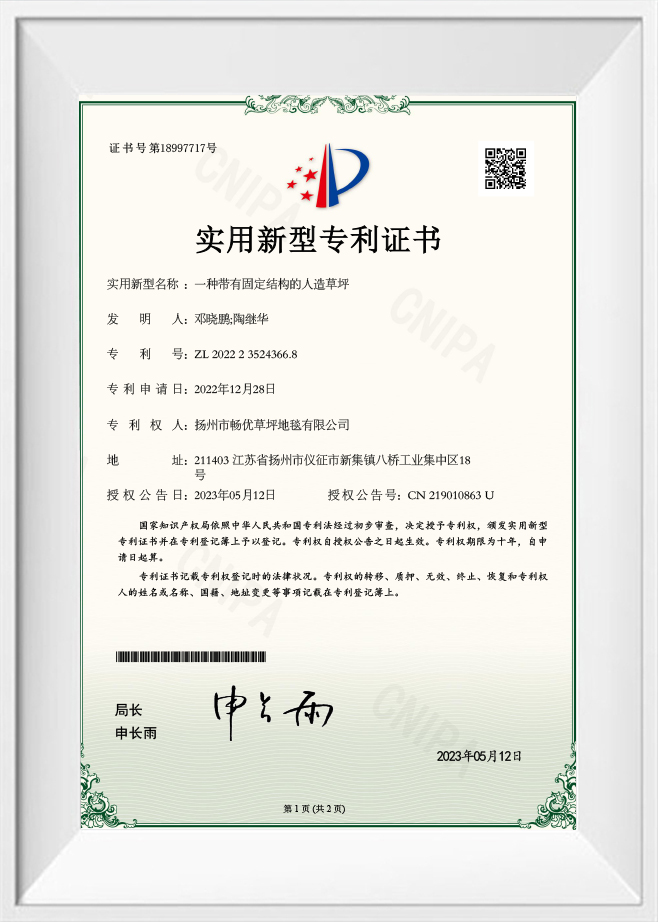
Utility Model Patent Certificate
-
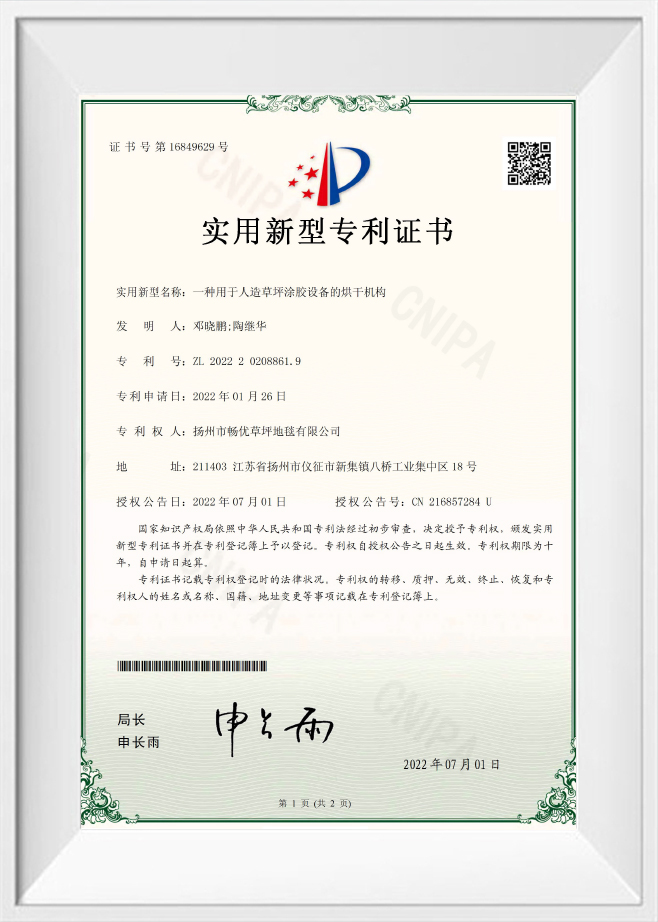
Utility Model Patent Certificate
-
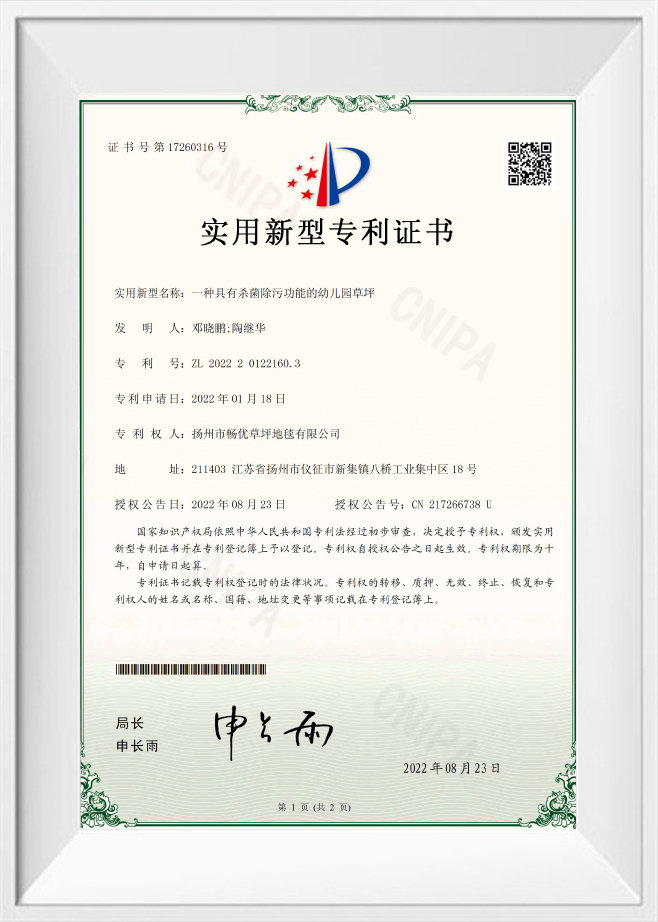
Utility Model Patent Certificate
-
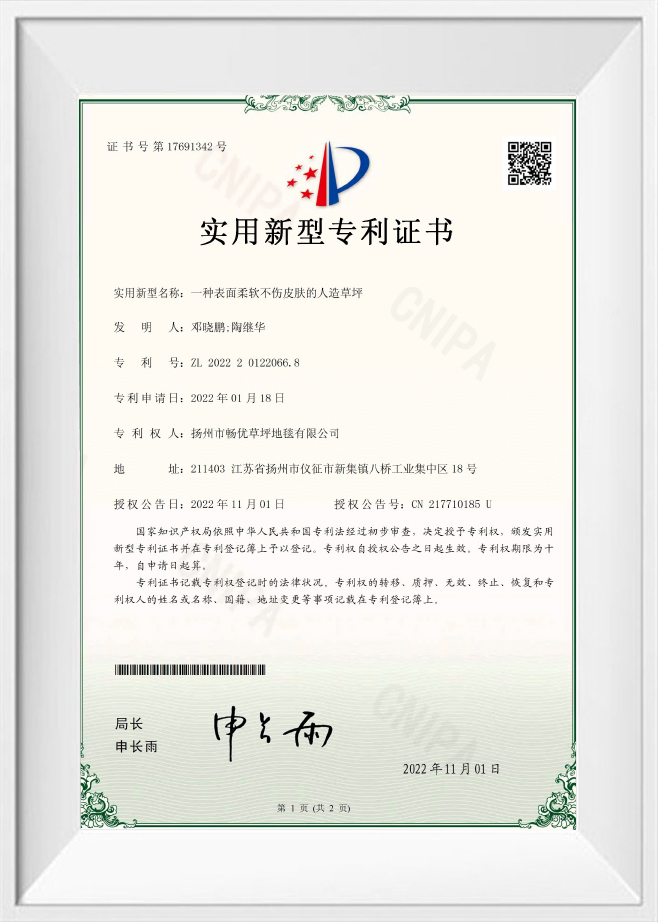
Utility Model Patent Certificate
-
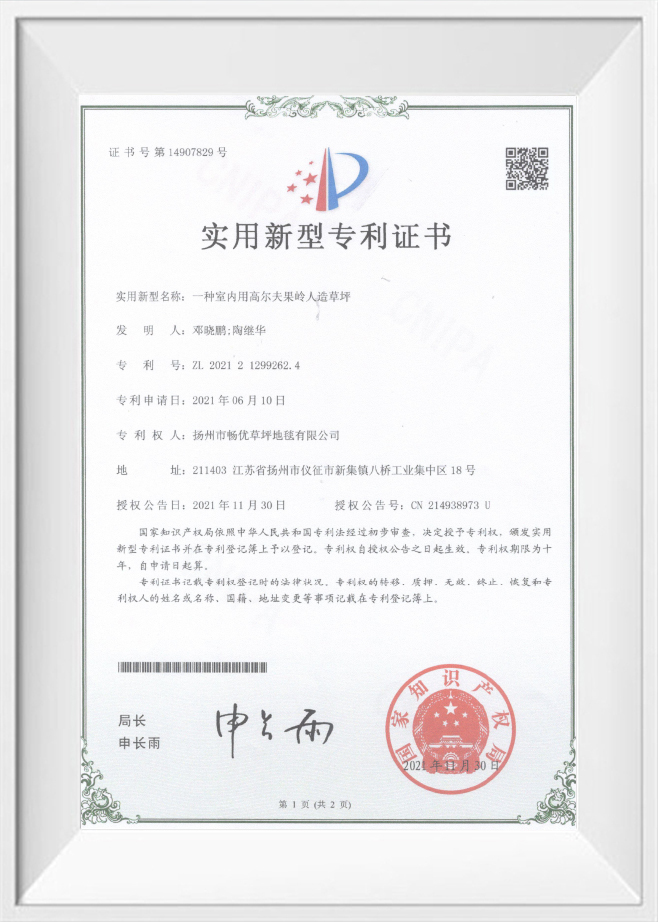
Utility Model Patent Certificate
-
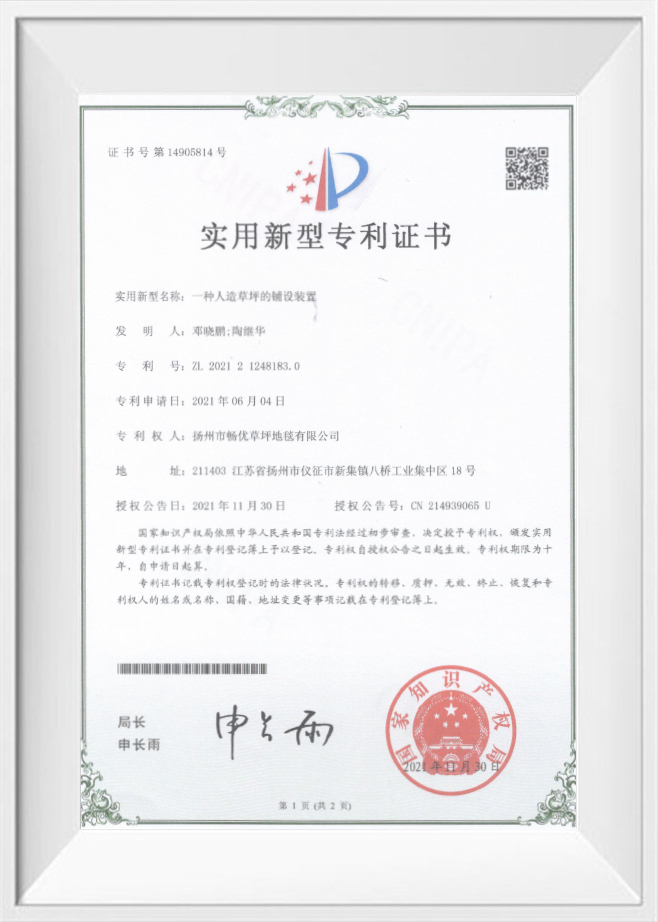
Utility Model Patent Certificate
-
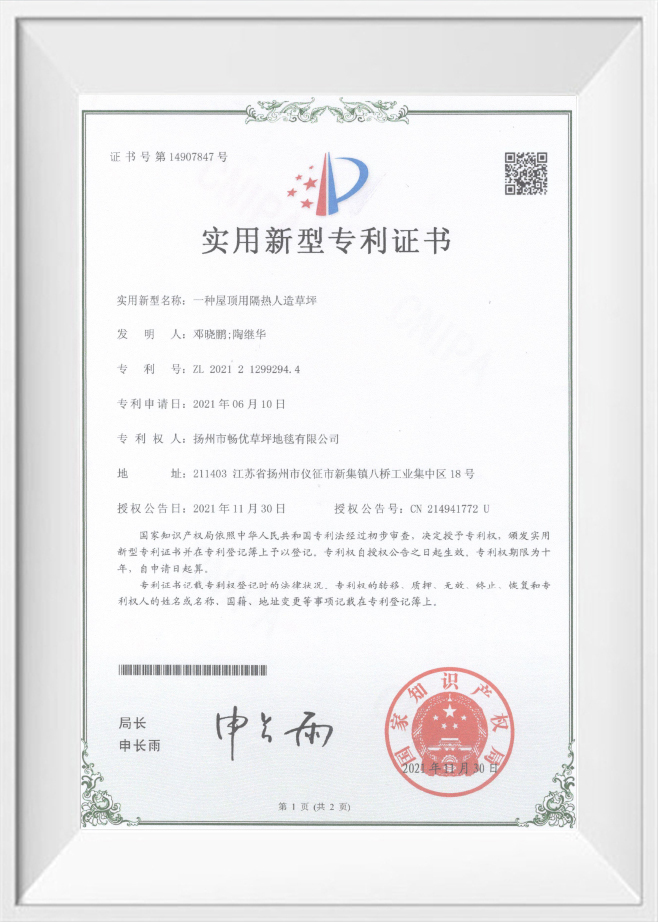
Utility Model Patent Certificate
-
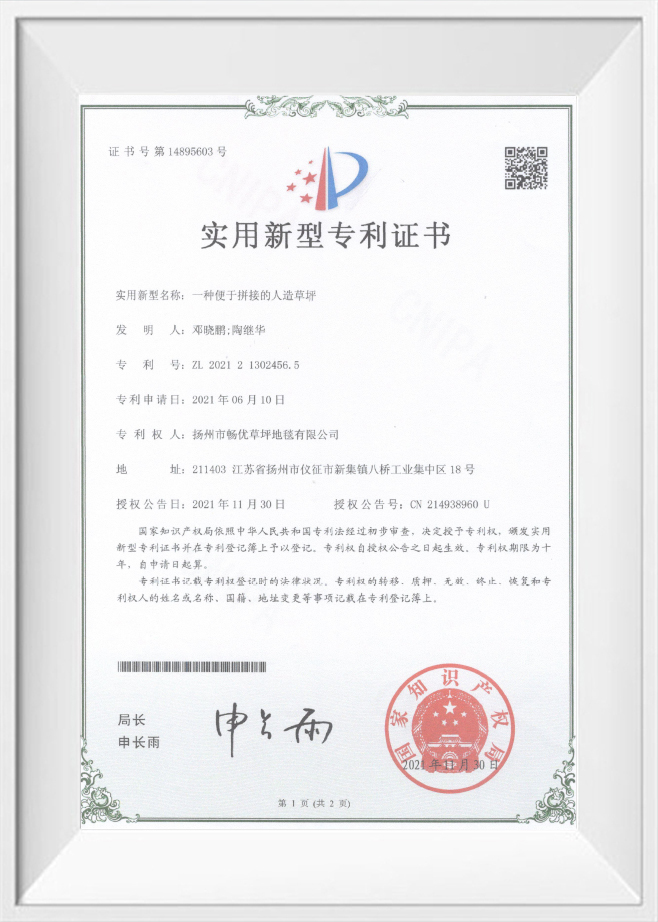
Utility Model Patent Certificate
-
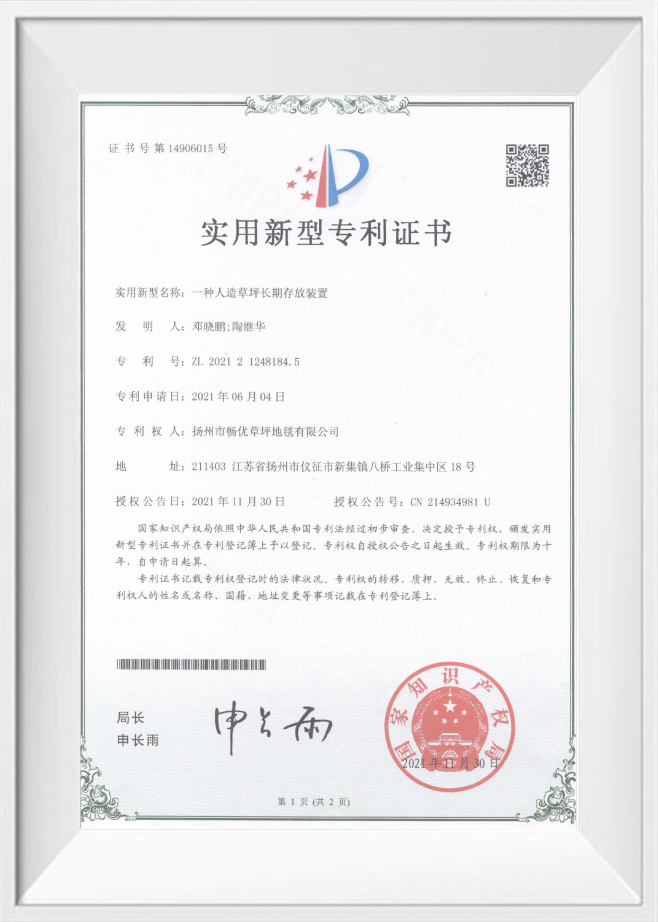
Utility Model Patent Certificate
-
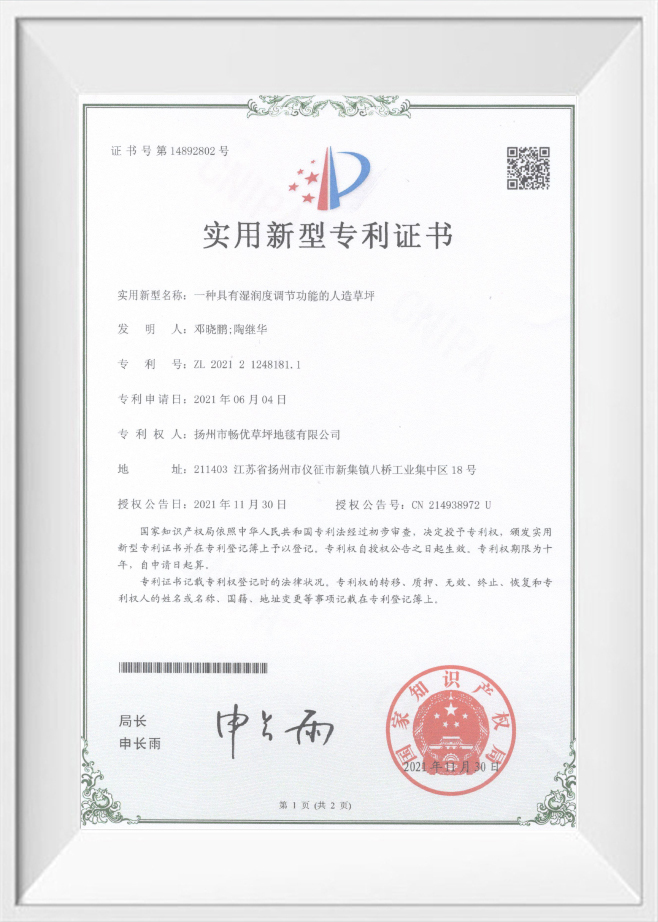
Utility Model Patent Certificate
-
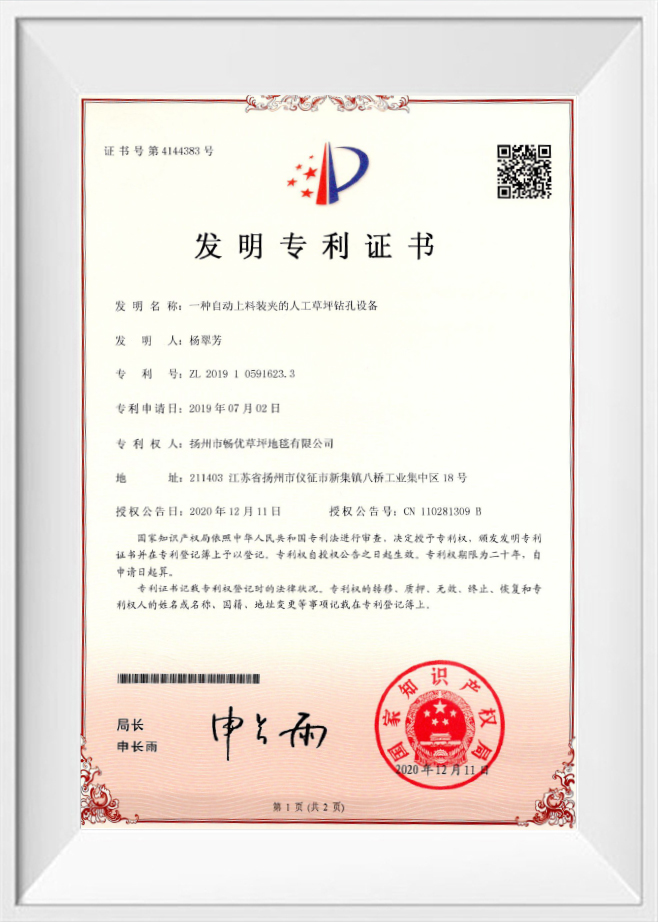
Patent Certificate

 +86-19742095266
+86-514-83640988
 zoe_canyoograss@163.com
 No.18 Baqiao, Xinji Yizheng, Yangzhou, Jiangsu. P.R. China
Copyright © Yangzhou Canyoo Grass Carpet Co., Ltd. Rights Reserved
China Artificial Turf For Rooftop Manufacturer Wholesale Artificial Turf For Rooftop Factory